Living in Fort Wayne, Indiana | Moving to Fort Wayne Guide
Community Spotlight
Living in Fort Wayne, Indiana: What to Know Before You Move

Indiana's second-largest city offers a surprisingly wide range of neighborhoods, housing styles, parks, trails, jobs, entertainment, and everyday amenities without requiring you to live like you're in a giant metro area.
By Nate Hicks • Hicks Team Real Estate
Quick Answer: What is it like to live in Fort Wayne, Indiana?
Fort Wayne is the second-largest city in Indiana, with a 2025 population estimate of more than 275,000. It's large enough to support major employers, two large healthcare systems, professional and minor-league sports, museums, a nationally known zoo, an increasingly active downtown, more than 160 miles of regional trails, an international airport, and a broad range of shopping and dining. At the same time, most of the city still feels manageable by car, and housing ranges from century-old urban neighborhoods to newer subdivisions, condos, rural-edge properties, and higher-end homes.
That's the short version.
The longer version is that Fort Wayne is a much harder city to describe with one sentence than people sometimes expect.
If you only see downtown, you haven't really seen Fort Wayne.
If you only drive through Southwest, you haven't really seen Fort Wayne.
If all you've seen is Dupont Road, you definitely haven't seen Fort Wayne.
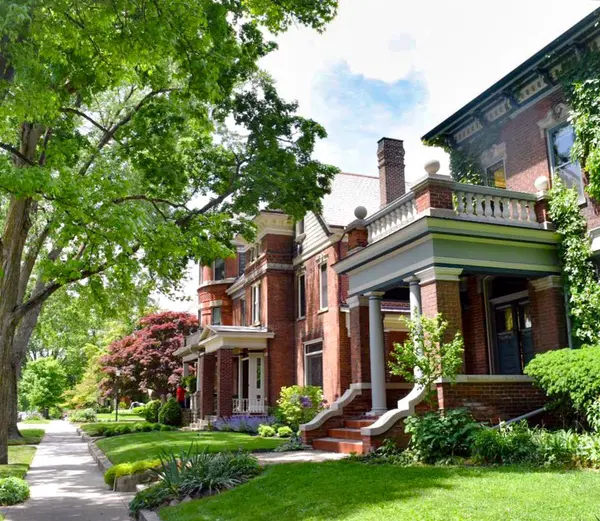
There are parts of the city with homes from the 1800s.
There are neighborhoods built after World War II.
There are wooded streets with houses that rarely look alike.
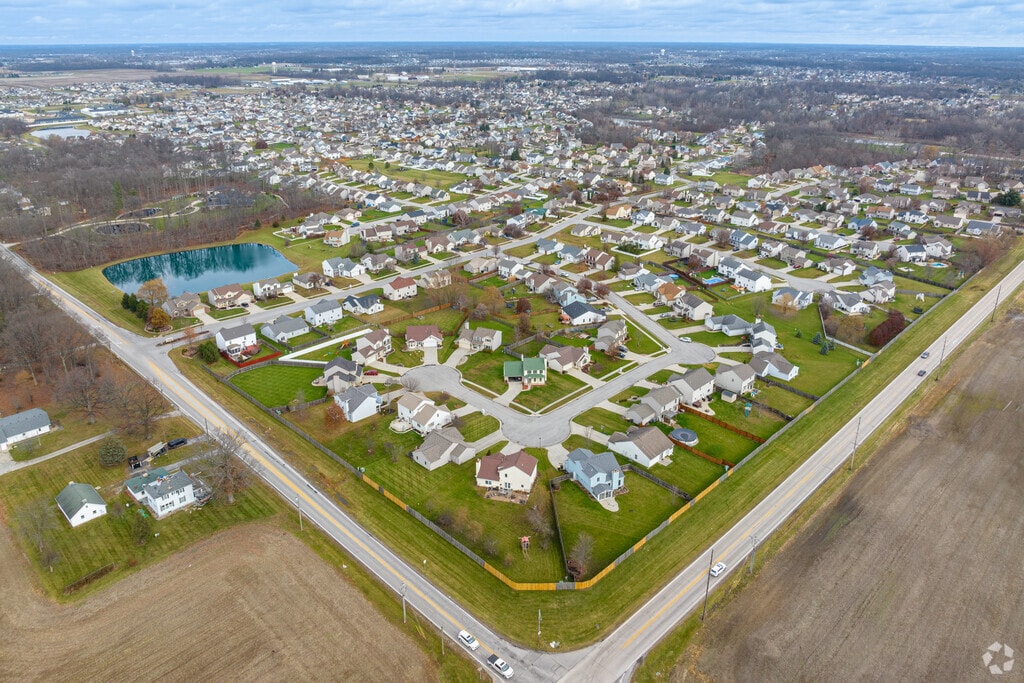
There are subdivisions where everything was built within the last five years.
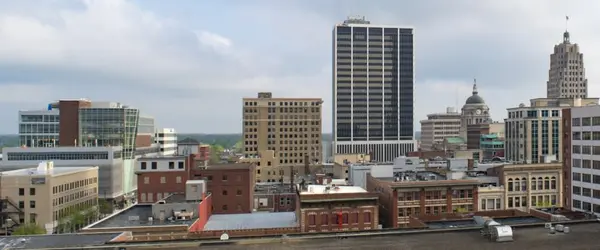
There are condos downtown.
There are homes near golf courses.
There are houses with acreage and a Fort Wayne mailing address.
And there are neighborhoods where you can walk to restaurants, parks, trails, or a coffee shop.
That's why "I want to live in Fort Wayne" is usually only the beginning of the conversation.
The more useful question is: Which Fort Wayne?
Fort Wayne, Indiana at a Glance
County: Allen County
2020 Census Population: 263,886
2025 Population Estimate: More than 275,000
State Population Rank: Second-largest city in Indiana
Major Healthcare Systems: Parkview Health and Lutheran Health Network
Major Employment Sectors: Healthcare, manufacturing, logistics, finance, defense, technology, construction, and retail
City Parks: 89 parks covering approximately 2,840 acres
Greater Fort Wayne Trail Network: More than 160 miles
Major Sports: Fort Wayne TinCaps, Fort Wayne Komets, and Fort Wayne FC
Airport: Fort Wayne International Airport
Known For: Three rivers, strong neighborhood identity, regional healthcare, manufacturing, trails, downtown redevelopment, and a broad mix of housing
Fort Wayne Is Bigger Than a Lot of People Realize
Fort Wayne isn't a small town.
That's worth establishing early.
More than a quarter-million people live within the city, making Fort Wayne Indiana's second-largest city behind Indianapolis.
But Fort Wayne doesn't necessarily feel like a city of that size everywhere you go.
Part of that comes from how spread out it is.
Part of it comes from the neighborhood structure.
And part of it comes from the fact that Fort Wayne doesn't have the kind of congestion or vertical density you'd associate with much larger metropolitan areas.
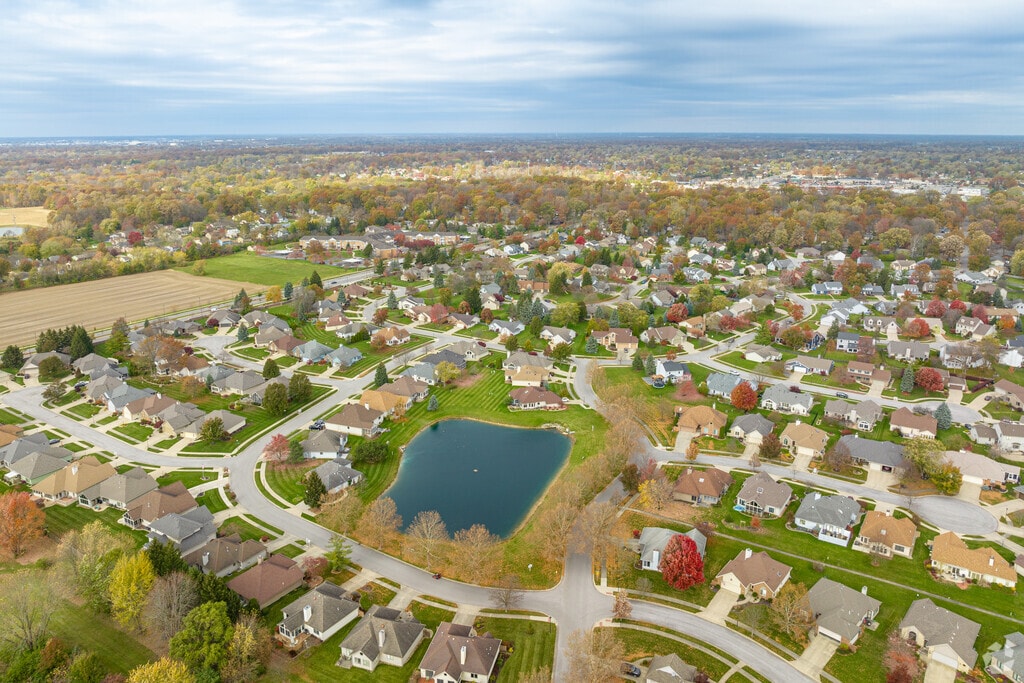
You can leave downtown, drive ten or fifteen minutes, and find yourself in a neighborhood that feels almost suburban. Go a little farther and you may see farm ground. That can be confusing when you're moving here because distance on a map doesn't always tell you what the area feels like.
The Neighborhoods Are the Real Story
Fort Wayne has hundreds of neighborhoods and neighborhood associations.
That helps explain why I don't think it's particularly useful to talk about Fort Wayne real estate as if the whole city behaves the same way.
West Central doesn't feel like Aboite.
North Anthony doesn't feel like a subdivision off Dupont.
Georgetown doesn't feel like downtown.
Southwood Park doesn't feel like Northwest Fort Wayne.
Waynedale doesn't feel like Leo Road.
And even within those broader areas, individual neighborhoods can have very different housing stock, lot sizes, schools, traffic patterns, utilities, and values. The part of Fort Wayne matters.
What Types of Homes Are in Fort Wayne?
Pretty much every major residential era in the city's history is represented somewhere.
Closer to the historic core, you'll find late-1800s and early-1900s homes with porches, hardwood floors, original woodwork, tall ceilings, detached garages, and architectural styles that aren't being duplicated in modern subdivisions.
Move outward and you'll find huge numbers of mid-century homes.
Ranches.
Cape Cods.
Split levels.
Traditional two-stories.
Then there are the suburban developments that spread across Fort Wayne through the 1970s, 80s, 90s, and early 2000s.
Today, newer construction continues around the northern, northeastern, southwestern, and outer edges of the city.
There are condos and apartments downtown.
There are patio homes.
Villa communities.
Higher-end neighborhoods.
Golf-course properties.
Lake and pond lots.
And properties on acreage that may still carry a Fort Wayne mailing address.
That's why a citywide home value doesn't tell you what a particular Fort Wayne house should cost. The actual market varies significantly by neighborhood, age, size, condition, school district, lot, and property type.
Older Fort Wayne Homes Deserve Their Own Conversation
Some of my favorite Fort Wayne neighborhoods are filled with older houses.
They're also houses where I want to pay attention.
Original hardwood and beautiful trim are great.
So is a front porch with some actual personality.
I still want to know what's going on with the electrical.
Plumbing.
Foundation.
Roof.
Sewer line.
HVAC.
Windows.
Insulation.
Drainage.
Previous additions and renovations.
That's the thing about older homes. The age itself isn't automatically the problem. Sometimes a century-old portion of the house is built like a tank. It's the renovation from twenty years ago that has us asking questions. Inspection matters.
New Construction Is a Different Buying Process
Fort Wayne also has a substantial amount of newer construction, especially toward the city's growing edges.
New does not mean question-free.
We want to know the builder.
What's standard.
What's an upgrade.
What the warranty covers.
How the lot drains.
Whether landscaping is included.
Whether there's an HOA.
What the restrictions say.
And what additional neighborhood phases are planned.
If you're buying because there's a beautiful open field behind the house, verify what that field is zoned for. The corn is not included with your purchase. Someone else owns it.
School Districts in Fort Wayne Are More Complicated Than the Mailing Address
This is one of the first things someone moving into the area should understand.
A Fort Wayne mailing address does not necessarily mean Fort Wayne Community Schools.
Fort Wayne Community Schools serves a large portion of the city and assigns schools based on the individual home address.
But there are also Fort Wayne addresses located within Northwest Allen County Schools, Southwest Allen County Schools, and portions of East Allen County Schools.
That means two homes with Fort Wayne mailing addresses can be in completely different school corporations.
Don't shop by the city name in a real estate listing and assume you know the school corporation. Verify the specific property address directly with the appropriate school district.
Jobs and the Fort Wayne Economy
Fort Wayne isn't dependent on one employer or one industry.
Healthcare is huge.
Parkview Health and Lutheran Health Network are major regional employers.
Manufacturing remains important.
So do logistics, insurance, defense, medical devices, retail, construction, and technology.
Major employers in Fort Wayne and Allen County include Parkview Health, Amazon, General Motors, Lutheran Health Network, Sweetwater, Lincoln Financial Group, Fort Wayne Metals, Steel Dynamics, BAE Systems, Dana, and others.
That diversity matters. Fort Wayne's economy isn't simply "factory town" or "hospital town." It's both of those, plus quite a bit more.
Healthcare Is One of Fort Wayne's Stronger Regional Advantages
Healthcare is one of those things you may not think much about until you need it.
Fort Wayne is a major medical hub for Northeast Indiana.
Parkview Health operates Parkview Regional Medical Center on the north side, along with other hospitals and facilities throughout the region.
Lutheran Health Network operates Lutheran Hospital on the southwest side and additional facilities around Northeast Indiana.
That means healthcare is not concentrated in one tiny area of the city. Where you live can influence which hospital or medical corridor is most convenient, but residents have significant healthcare infrastructure within Fort Wayne itself.
Downtown Fort Wayne Has Changed a Lot
If your mental image of downtown Fort Wayne is twenty years old, you should probably start over.
Parkview Field changed downtown.
Then came additional residential development.
The Landing.
Promenade Park.
Riverfront redevelopment.
New restaurants.
Hotels.
Public spaces.
Arts and entertainment.
And Electric Works just southwest of the traditional downtown core.
Promenade Park connects the city directly to the river and includes trails, recreation, gathering space, and river access.
Downtown is still not Chicago.
I don't think anybody is confused about that.
But it's also no longer the kind of downtown where everything shuts down at five and you wonder why you're still there. People live downtown now. They eat there. Go to baseball games. Attend concerts. Walk along the river. Use the trails. Go to festivals. And increasingly treat downtown as an actual neighborhood rather than just a place where offices happen to be.
Electric Works Has Changed the Broadway Corridor Too
Electric Works is one of the most visible examples of adaptive reuse in Fort Wayne.
The former General Electric campus along Broadway has been redeveloped into a mixed-use campus with offices, business and innovation space, restaurants, public areas, and Union Street Market.
That matters beyond the development itself.
Electric Works sits alongside the historic West Central area and helps connect downtown with the Broadway corridor.
West Central is already one of Fort Wayne's most architecturally distinctive residential areas, filled with historic homes and easy access to downtown. Eventually, West Central deserves its own neighborhood guide.
The Three Rivers Are Finally Being Treated Like an Asset
Fort Wayne exists where the St. Marys and St. Joseph Rivers come together to form the Maumee.
For a long time, the rivers were part of the geography without necessarily feeling like a centerpiece of daily city life.
That's changed.
Promenade Park put people right on the riverfront.
The Rivergreenway follows the city's waterways.
Kayaks, riverboat cruises, walking, biking, events, and additional riverfront development have made the rivers much more visible and usable.
I think that's one of the better changes Fort Wayne has made. If you're going to build a city around three rivers, you might as well let people enjoy them.
Fort Wayne's Trail System Is a Genuine Quality-of-Life Feature
This one deserves more attention than it sometimes gets.
The Greater Fort Wayne trail system includes more than 160 miles of trails.
The Rivergreenway forms a major part of the network and follows the St. Marys, St. Joseph, and Maumee Rivers.
The Pufferbelly Trail extends north toward Huntertown.
The Aboite Trails cover a large portion of southwest Fort Wayne.
And newer projects continue filling gaps throughout the city.
This isn't a trail system that's useful only if you happen to live beside one particular park. It reaches a significant portion of Fort Wayne. If walking, running, biking, or just having a paved place to get outside matters to you, pay attention to trail access when you're looking at neighborhoods.
Fort Wayne Has 89 City Parks
Fort Wayne Parks and Recreation manages 89 parks covering roughly 2,840 acres.
And they're not all interchangeable.
Franke Park is the city's largest park and sits beside the Fort Wayne Zoo.
Foster Park follows the St. Marys River and includes golf, trails, gardens, and mature landscapes.
Lakeside Park is known for its rose gardens.
Shoaff Park includes golf and riverfront recreation.
Buckner Park serves the growing southwest side.
Salomon Farm offers a completely different rural-style experience on the north side.
Promenade Park is urban riverfront.
Headwaters Park is tied directly to downtown festivals and events.
Fort Wayne is not lacking public green space. The more useful question is which parks are close to the part of the city you're considering.
The Fort Wayne Zoo Is Actually a Big Deal
Yes, it has historically been called the Fort Wayne Children's Zoo.
No, you don't need to have a six-year-old with you to appreciate it.
The Fort Wayne Zoo is one of Northeast Indiana's largest attractions, welcoming hundreds of thousands of guests each year and caring for animals from around the world.
It's located in Franke Park on the northwest side of the central city.
And this is one of those attractions residents actually use. Families buy memberships. People go repeatedly. Events happen there. And because it's right inside the city, you don't need to plan a road trip around it.
Fort Wayne Has Better Sports Than a City This Size Probably Needs
We don't have the Colts.
We don't have the Pacers.
We do have teams that people here genuinely care about.
The Fort Wayne Komets play professional hockey at the Allen County War Memorial Coliseum.
The Fort Wayne TinCaps play baseball at Parkview Field downtown.
And Fort Wayne FC brings professional soccer to the city.
That's a pretty solid sports lineup for a city where you can usually get across town without dedicating half your evening to traffic. Minor-league and lower-division professional sports are one of those things I think Fort Wayne does particularly well. You can actually go regularly.
There's Plenty Beyond Sports
Downtown also has the Fort Wayne Museum of Art.
The Foellinger-Freimann Botanical Conservatory sits downtown near the convention-center area.
The Embassy Theatre brings touring entertainment downtown.
The Memorial Coliseum hosts concerts, sporting events, expos, and other major events.
Then you have festivals.
Three Rivers Festival.
Germanfest.
Greek Fest.
BuskerFest.
Taste of the Arts.
Pride.
Johnny Appleseed Festival.
You can absolutely be bored in Fort Wayne. But at some point, that becomes a personal project.
Fort Wayne International Airport Is Easier Than People Expect
Fort Wayne International Airport sits southwest of the city.
The airport provides commercial passenger service with connections to major airline hubs and several leisure destinations.
Will you sometimes connect through a larger airport?
Of course.
That's how regional airports work. But FWA is close, parking is relatively straightforward, and the experience tends to involve a lot less friction than starting every trip by driving two or three hours to a major airport.
Traffic Is Relative
People in Fort Wayne complain about traffic.
People everywhere complain about traffic.
Is there congestion?
Absolutely.
You'll find it around Lima and Dupont.
Coldwater.
Jefferson.
Illinois.
And I-69 at certain times.
Major construction projects can make things worse.
School traffic matters.
And if you need to cross the city during the wrong part of the day, it can take longer than you'd like.
But for someone moving here from a much larger metro, Fort Wayne traffic may not qualify as the same species of problem. The bigger issue is usually where you live relative to where you go every day.
Which Part of Fort Wayne Is Right for You?
This is where the master guide branches into the deeper area guides.
We're building separate guides for Northwest Fort Wayne, Southwest Fort Wayne, Northeast Fort Wayne, and Downtown Fort Wayne because each has enough real estate variation and enough of its own identity to deserve a deeper look.
Northwest Fort Wayne
Northwest Fort Wayne stretches across a large area and overlaps with some of the city's most active growth corridors.
The Lima Road and Dupont Road areas provide extensive shopping, restaurants, services, healthcare access, and I-69 connections. Farther north, development increasingly blends into the Huntertown area.
You'll find older neighborhoods closer toward the center of the city, established suburban housing, extensive newer subdivisions, and some rural-edge properties.
The Pufferbelly Trail is also a major feature of the northwest side, and school boundaries matter because Fort Wayne addresses can fall within different school corporations depending on location.
Southwest Fort Wayne
Southwest Fort Wayne is another large and varied part of the city.
Aboite is a big part of the conversation here. You'll find mature suburban neighborhoods, newer construction, higher-end housing, villas, golf-course communities, apartments, and areas with larger lots.
Jefferson Pointe provides one of the city's major shopping and entertainment areas, while Illinois Road and Jefferson Boulevard carry much of the commercial development.
Southwest Allen County Schools and the extensive Aboite trail network are also important parts of the area.
Northeast Fort Wayne
Northeast Fort Wayne covers another broad mix.
Areas around Dupont, Union Chapel, Leo Road, St. Joe Road, and Maplecrest can feel very different from one another.
Parkview Regional Medical Center is a major anchor on the north and northeast side, and development around it has brought substantial medical, residential, restaurant, and commercial growth.
Housing ranges from established neighborhoods and ranches to large subdivisions and newer construction, and school corporations can vary by address.
Downtown Fort Wayne
Downtown is its own real estate search.
Housing includes apartments, lofts, condos, converted historic buildings, and residential development mixed directly into the urban core.
Walkability matters more. Parking matters more. Your relationship with restaurants, entertainment, trails, the riverfront, Parkview Field, The Landing, the Embassy, the Botanical Conservatory, Electric Works, and downtown events becomes part of daily life.
Downtown deserves its own full guide rather than trying to squeeze the entire urban-living discussion into this one.
What About Central, Southeast, and Older Fort Wayne Neighborhoods?
We're not ignoring them.
Actually, some of Fort Wayne's most interesting housing is in these areas.
West Central.
Southwood Park.
North Anthony.
Forest Park Boulevard.
Lakeside.
Georgetown.
Waynedale.
The neighborhoods around Foster Park and the Broadway corridor.
Several of these areas have architectural, cultural, and real estate identities strong enough to support their own future guides. Northwest, Southwest, Northeast, and Downtown are the next layer. After that, we can get much more specific.
Utilities Can Vary More Than You Might Think
Much of Fort Wayne has municipal water and sewer service.
But the broader Fort Wayne mailing area extends beyond what people casually think of as "the city."
Depending on the property, particularly toward the outer edges, you may encounter wells, septic systems, different electric providers, propane, or other utility arrangements.
Mailing address isn't everything. City limits matter. Utility territory matters. The individual house matters.
What Should Homebuyers Know About Fort Wayne Real Estate?
Fort Wayne is too large and too varied for citywide shortcuts.
Don't buy based on the idea that one side of town is universally "better."
Don't assume newer automatically means better.
Don't assume older automatically means more maintenance.
Don't assume two houses with the same square footage should sell for the same price.
Location matters.
School district matters.
Neighborhood matters.
Condition matters.
Lot matters.
Updates matter.
Construction quality matters.
Future development matters.
Utilities matter.
And the way you use the city matters. If you work near Parkview Regional and spend most evenings around Dupont, a house far southwest may be beautiful and still make no sense for you. If your life revolves around downtown, trails, local restaurants, and older architecture, the perfect answer may be completely different.
Is Fort Wayne the Right Place for You?
Fort Wayne can make sense for someone who wants the amenities of a regional city without necessarily wanting the scale, housing costs, or traffic of a much larger metro.
There's a real downtown.
There are hundreds of neighborhoods.
There are historic homes.
There is extensive newer housing.
There are major employers.
There are two large healthcare systems.
There are 89 city parks.
There are more than 160 miles of regional trails.
There are three rivers running through the city.
There's a major zoo.
There are the TinCaps.
The Komets.
Fort Wayne FC.
Museums.
Concerts.
Festivals.
An airport.
Restaurants.
Shopping.
And enough different kinds of housing that two people can both say they live in Fort Wayne while living very different lives.
But Fort Wayne isn't going to be right for everybody.
If you want dense public-transit-oriented city living on the scale of Chicago, this isn't that.
If you want mountains, also no.
We checked.
If you want to live somewhere genuinely rural with nobody around, the city itself may not be what you're looking for either.
Fort Wayne sits somewhere in the middle. It's a city. Just a manageable one. And for a lot of people, that's the appeal.
Frequently Asked Questions About Living in Fort Wayne, Indiana
How big is Fort Wayne, Indiana?
Fort Wayne had 263,886 residents in the 2020 Census and has continued growing, making it Indiana's second-largest city behind Indianapolis.
Is Fort Wayne growing?
Yes. Fort Wayne has continued adding residents and residential development, particularly around the city's northern, northeastern, and southwestern growth areas.
What county is Fort Wayne in?
Fort Wayne is located in Allen County and serves as the county seat.
What school district serves Fort Wayne?
Much of Fort Wayne is served by Fort Wayne Community Schools, but Fort Wayne mailing addresses can also fall within Northwest Allen County Schools, Southwest Allen County Schools, and portions of East Allen County Schools. Always verify the specific property address.
Does Fort Wayne have good parks and trails?
Fort Wayne has 89 city parks covering roughly 2,840 acres, along with more than 160 miles of regional trails including the Rivergreenway, Pufferbelly Trail, and Aboite Trails.
Does Fort Wayne have professional sports?
Yes. Fort Wayne has professional and minor-league sports including the Fort Wayne Komets hockey team, Fort Wayne TinCaps baseball team, and Fort Wayne FC soccer club.
Does Fort Wayne have an airport?
Yes. Fort Wayne International Airport provides commercial passenger service with nonstop flights to major airline hubs and leisure destinations.
What are the major employers in Fort Wayne?
Major Fort Wayne and Allen County employers include Parkview Health, Lutheran Health Network, General Motors, Amazon, Sweetwater, Lincoln Financial Group, Fort Wayne Metals, Steel Dynamics, BAE Systems, Dana, and others.
Is downtown Fort Wayne growing?
Yes. Downtown has seen substantial reinvestment including Parkview Field, Promenade Park, riverfront development, residential projects, The Landing, restaurants, hotels, and nearby Electric Works.
What are the main areas of Fort Wayne?
For relocation purposes, it can be useful to start with Northwest Fort Wayne, Southwest Fort Wayne, Northeast Fort Wayne, Downtown Fort Wayne, and the older central-city neighborhoods. Each area contains many individual neighborhoods.
Does Fort Wayne have historic neighborhoods?
Yes. Fort Wayne has several historic neighborhoods and districts, including West Central and other established areas around the central city.
Do you need a car in Fort Wayne?
For most households, a car is still the easiest way to navigate Fort Wayne. Some downtown and central neighborhoods offer better walkability and trail access, but the city is geographically spread out and many everyday destinations are several miles apart.
Thinking About Moving to Fort Wayne, Indiana?
Don't try to understand Fort Wayne by spending one afternoon driving around.
It's too varied.
Start downtown.
Walk the riverfront.
Drive through West Central.
Then head north.
Drive Dupont.
Lima.
Coldwater.
See where Huntertown starts to feel like part of the same development pattern.
Then go northeast.
Look around Leo Road, St. Joe, Georgetown, and the areas toward New Haven.
Head southwest.
Drive through Aboite.
See Jefferson Pointe.
Explore some of the older neighborhoods.
Find the trail system.
Then drive the older central parts of Fort Wayne.
North Anthony.
Southwood Park.
Waynedale.
You don't have to like all of it.
You're not supposed to.
That's the point.
Fort Wayne has enough different areas that finding the right one is less about deciding whether you like the city and more about finding the part of the city that matches your routine. Think about a normal Tuesday. Where do you work? Where do you buy groceries? Where do you go out to eat? Do you use trails? Do you want a yard? How important is being near downtown? Which school corporation matters? How often are you crossing town? Would you rather have an older home with character or newer construction? Those answers will narrow Fort Wayne a lot faster than a "best neighborhoods" list.
Buying a Home in Fort Wayne, Indiana
If you're searching for homes for sale in Fort Wayne, the city is too large to begin with bedrooms and bathrooms alone.
First, let's figure out the geography.
Where do you actually want to be?
Then we'll look at the house.
Condition.
Age.
Lot.
School district.
Utilities.
Neighborhood.
Drainage.
Updates.
Garage.
Builder.
Subdivision restrictions.
Future development.
Comparable sales.
A Fort Wayne address can describe a historic house near downtown, a brand-new subdivision home, a southwest villa, a mid-century ranch, a condo, or a property sitting on acreage. The right house starts with knowing which search you're actually running.
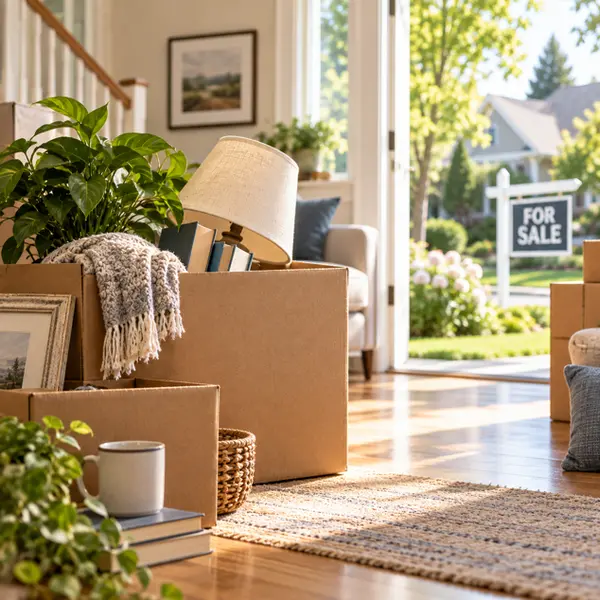
Selling a Home in Fort Wayne, Indiana
Selling a home here works the same way in reverse.
The citywide average isn't your market.
Your house has its own competitive set.
A renovated historic home in West Central is not competing with new construction near Huntertown.
A villa in Southwest isn't competing with a ranch in Georgetown just because the square footage matches.
A downtown condo is another market again.
Pricing starts with the property. Then the neighborhood. Then the most relevant sales. Then the homes buyers can choose instead of yours. That's how we figure out what the market is actually telling us rather than forcing a citywide number onto a house where it doesn't belong.
Know someone considering Fort Wayne?
Share this guide with them. Understanding the part of the city you're looking in is just as important as understanding the house.
Have Questions About Fort Wayne Real Estate?
If you're thinking about buying, selling, or moving to Fort Wayne, I'm happy to help you work through the details.
Fort Wayne is big enough that where matters almost as much as what. Northwest, Southwest, Northeast, Downtown, historic neighborhoods, new construction, established suburbs, and rural edges are all Fort Wayne, but they aren't all the same experience. Sometimes finding the right house starts with figuring out which part of the city actually fits the way you want to live.
Contact Hicks Team Real EstateCategories
Recent Posts