15 Smart Ideas for Saving a Down Payment
Home Buying Tips
15 Smart Ideas for Saving a Down Payment
Saving for a home usually isn't about giving up everything you enjoy. It's about making deliberate choices, building momentum, and turning ordinary financial decisions into meaningful progress.
By Nate Hicks • Hicks Team Real Estate
How Do You Save for a Down Payment?
Start by figuring out what you actually need, then build a realistic monthly plan around it. You may not need a 20% down payment, and depending on the loan program, qualified buyers may be able to purchase with considerably less. The goal is not perfection. It's consistent progress.
Whether you're starting from zero or already have money set aside, the most useful savings plan is usually the one you'll actually stick with.
You don't need to use every strategy below. Pick the ones that fit your situation, make them part of your normal routine, and let time do some of the work.
1. Start With a Number, Not a Wish
The first step is figuring out approximately how much you'll need.
Contrary to a very persistent myth, buying a home does not always require 20% down. Some conventional loan programs may allow qualified buyers to put down as little as 3%. FHA loans may allow 3.5%, while eligible VA and USDA borrowers may have zero-down options available.
Your down payment also isn't the only number to consider.
Closing costs.
Moving expenses.
Immediate repairs or purchases.
And some savings left over after closing.
A good mortgage lender can help you work backward from the kind of home you're considering and establish a much more useful target than simply saying, "I need to save more."
2. Break Your Goal Into Monthly Milestones
Big numbers feel intimidating until you divide them into smaller ones.
Suppose your goal is $24,000 and you want to buy in three years. That's $8,000 per year, or roughly $667 per month.
Now you have something you can actually build into a budget.
If that monthly number doesn't work, that's useful information too. You may need a longer timeline, a different target price, or another strategy for increasing the amount you're saving.
Treat your savings goal like a bill. Set a minimum amount that needs to move into savings every month instead of hoping there's something left at the end.
3. Pay Off Expensive Debt First
High-interest debt can work directly against your homeownership goal.
If you're carrying credit-card balances at 20% interest or more, those payments can quietly consume hundreds of dollars every month.
Focus on eliminating expensive balances first. Then don't let the newly available money disappear back into normal spending.
If you were paying $300 per month toward a card, redirecting that same amount into your home fund after the balance is gone creates $3,600 in savings over a year.
4. Automate Your Savings
Don't wait until the end of the month to see what happens to be left.
Set up an automatic transfer into a dedicated savings account every payday.
Money you never leave sitting in your checking account is considerably harder to accidentally spend.
5. Give Your Savings a Raise
When your income goes up, increase your savings before your lifestyle expands to absorb the difference.
For example, if your take-home pay increases by $200 per month, you might send $150 of that directly to your home fund.
You still get a little more spending money, but most of the raise begins working toward something larger.
6. Ask for That Raise
Sometimes the savings conversation is really an income conversation.
If it's been a while since you discussed compensation, research comparable positions, document what you've accomplished, and decide whether there's a reasonable case for a raise.
Even a modest increase can make a noticeable difference if most of the additional income goes directly toward your down payment.
7. Start a Temporary Side Hustle
This doesn't need to become your new identity.
Freelancing, tutoring, pet sitting, weekend work, or selling a service based on skills you already have can create extra income without becoming a permanent second career.
An additional $400 per month adds up to $4,800 over a year before taxes and expenses.
It may be easier to tolerate extra work when it has a specific purpose and an end date.
8. Find the Invisible Spending

Most budgets have money disappearing in places we barely notice anymore.
Review the last three months of your bank and credit-card statements.
Forgotten subscriptions.
Delivery fees.
Unused memberships.
Impulse purchases.
Services that could be renegotiated or canceled.
Finding $100 or $200 a month without giving up anything you actually care about can make a meaningful difference over time.
9. Try a 30-Day Purchase Rule
For nonessential purchases over a number you choose, maybe $100, wait 30 days before buying.
You'll probably discover that some things you absolutely needed on Tuesday are considerably less interesting four weeks later.
When you decide not to buy something, move some or all of that money into your home fund instead.
10. Keep Your Current Car Longer
A new car payment can consume a substantial part of a monthly budget.
If your current vehicle is reliable and still meets your needs, keeping it another year or two may help your home-buying plan more than upgrading it right now.
Avoiding a $500 monthly payment preserves $12,000 over two years.
It may also help your debt-to-income ratio when it's time to apply for a mortgage.
11. Turn Windfalls Into Homeownership
Tax refunds, bonuses, cash gifts, rebates, and other unexpected income can give your savings a substantial boost.
The easiest way to lose that opportunity is to decide what to do with the money after it arrives.
Decide in advance that a certain percentage of unexpected money goes directly toward the house. You can still enjoy some of it without watching all of it disappear.
12. Sell What You No Longer Use
Most households have things sitting around that somebody else would gladly pay for.
Furniture.
Electronics.
Exercise equipment.
Tools.
Collectibles.
The important part is what happens after the sale. Move the proceeds directly into savings instead of letting the money slowly disappear into everyday spending.
13. Make Your Savings Earn Something
If you're building a down payment over the next few years, consider keeping the money in a competitive high-yield savings account or another appropriate low-risk, accessible option.
The goal is not to turn your down payment into an investment experiment.
If you're planning to use the money soon, protecting the principal and keeping it accessible is generally more important than chasing higher returns through volatile investments.
14. Investigate Down Payment Assistance
Don't assume assistance programs are only available to someone else.
State and local programs may offer grants, forgivable loans, or other forms of assistance to eligible buyers.
Some programs are not limited to first-time buyers, and income limits can sometimes be higher than people expect.
Talk with a knowledgeable mortgage lender before assuming you do or don't qualify for assistance. Programs, qualifications, and available funding can change.
15. Make Your Progress Visible
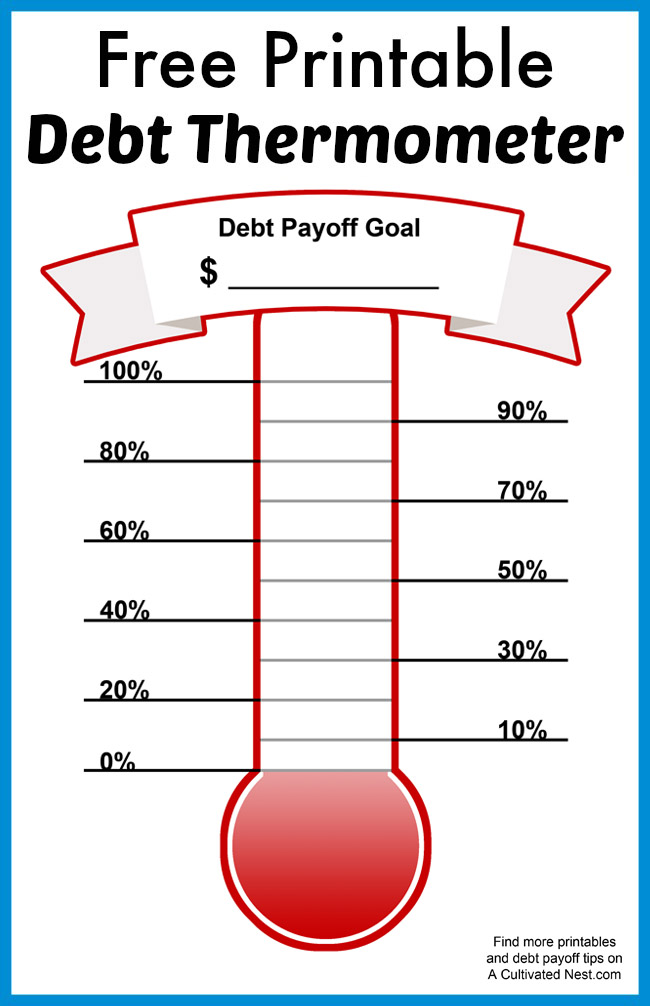
Create a simple chart showing your savings goal and how much you've accumulated.
Update it every month.
Celebrate the first $1,000.
Celebrate halfway.
Celebrate 75%.
Seeing the number move can make it much easier to stay motivated when spending the money would be more fun in the moment.
The Real Secret Is Making Saving a Priority
You do not need to adopt all 15 strategies.
Choose a few that fit your circumstances and start there.
Saving $200 by reducing expenses, earning another $300 through extra work, and redirecting a former $250 debt payment creates $750 per month.
Over three years, that's $27,000 before any interest earned on the savings.
That's a meaningful home fund built through fairly ordinary financial decisions.
The goal isn't to stop enjoying your life now. It's to make sure some of today's decisions support the life you want later.
Frequently Asked Questions About Saving for a Down Payment
Do I need 20% down to buy a house?
Not necessarily. Some conventional loan programs may allow qualified borrowers to purchase with as little as 3% down, FHA financing may allow 3.5%, and eligible VA or USDA borrowers may have zero-down options.
Should I save only for the down payment?
No. Buyers should also plan for closing costs, moving expenses, immediate home-related purchases, and ideally some savings remaining after closing.
Should I pay off debt or save for a house first?
High-interest debt can make saving much harder and may also affect mortgage qualification. The right strategy depends on your finances, so this is a good conversation to have with a lender or financial professional.
Where should I keep my down payment savings?
For money you expect to use within a few years, many buyers prioritize safety and accessibility through options such as a competitive high-yield savings account rather than taking substantial investment risk.
Are down payment assistance programs only for first-time buyers?
Not always. Eligibility varies by program, and some assistance may be available to buyers who have owned a home before. A mortgage professional can help identify current programs and qualifications.
Know someone saving for a home?
Share this guide with them. A down payment becomes a lot less intimidating when you turn one big goal into a series of smaller decisions.
Ready to Talk About Buying a Home?
You may be closer than you think. Before deciding that homeownership is years away, it can help to talk through your goals with a real estate professional and a mortgage lender.
We can help you understand what homes fit your goals, what questions to ask your lender, and what a realistic path toward buying might look like.
Contact Hicks Team Real EstateCategories
Recent Posts