Living in Downtown Fort Wayne, Indiana | Area Guide
Community Spotlight
Living in Downtown Fort Wayne, Indiana: What to Know Before You Move
Riverfront parks, restaurants, baseball, historic buildings, apartments and condos, trails, arts and entertainment, and a downtown that has changed dramatically over the last two decades.
By Nate Hicks • Hicks Team Real Estate
What Is It Like to Live in Downtown Fort Wayne?
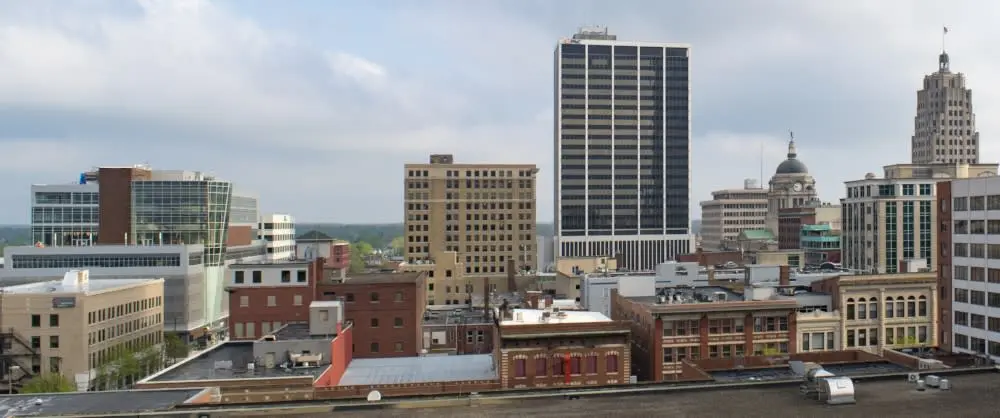
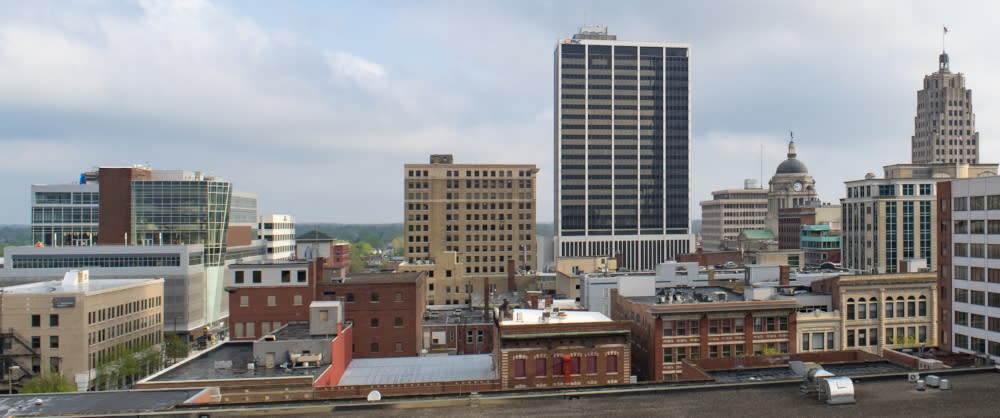
Living in Downtown Fort Wayne gives you the most urban version of Fort Wayne life. Housing is dominated by apartments, lofts, and condos rather than traditional subdivisions, and many residents can walk to restaurants, the riverfront, Parkview Field, The Landing, museums, theaters, festivals, trails, and other downtown destinations. Promenade Park and continued riverfront development have changed the relationship between downtown and Fort Wayne's three rivers, while projects like The Pearl, Electric Works, and new residential development continue expanding what people think of as downtown. Parking, event traffic, grocery access, and the tradeoffs that come with living near entertainment should all be part of the decision.
The more useful thing to understand is that downtown Fort Wayne is no longer just an office district.
People live here.
They walk their dogs here.
They go downstairs for dinner.
They run along the river.
They watch baseball from their apartments.
They complain about parking when there's a festival.
They discover that walking three blocks to dinner is pretty nice.
That's a very different experience from living in Aboite, Georgetown, or a subdivision near Huntertown.
And that's exactly why Downtown Fort Wayne deserves its own guide.
What Do We Mean by Downtown Fort Wayne?
Even "downtown" has gotten a little harder to define.
The traditional downtown core is centered around Calhoun, Harrison, Main, Berry, Wayne, Jefferson, Washington, Superior, and the riverfront.
But the practical downtown area has been expanding.
Downtown Fort Wayne's broader district now reaches into areas such as Wells Street, Science Central, and the Broadway corridor toward Electric Works.
That doesn't mean every neighborhood suddenly became the same thing.
West Central still feels like West Central.
The Wells Street corridor has its own identity.
Electric Works sits along Broadway rather than in the traditional office core.
For this guide, I'm talking about the traditional downtown core, riverfront, The Landing, Parkview Field area, and the immediate urban districts that connect into them. We'll treat West Central separately because it deserves its own guide.
Downtown Fort Wayne at a Glance
City: Fort Wayne
County: Allen County
Housing: Apartments, lofts, condos, mixed-use buildings, live-work units, and some nearby townhome or single-family options
Major Parks: Promenade Park and Headwaters Park
Major Trail: Rivergreenway and connected Downtown Urban Trail system
Sports: Fort Wayne TinCaps at Parkview Field
Arts and Entertainment: Embassy Theatre, Arts United Center, Fort Wayne Museum of Art, Botanical Conservatory, Grand Wayne Center, and numerous festivals and events
Dining and Nightlife: The Landing, downtown restaurants and bars, rooftop venues, The Pearl area, and Electric Works nearby
Transit: Citilink Central Station
Parking: Street meters, public garages, surface lots, and building-specific resident parking
Overall Feel: Fort Wayne's most walkable, event-oriented, and urban residential environment
Downtown Fort Wayne Has Become a Residential Neighborhood
This may sound obvious now.
It wasn't always.
As recently as the early 2010s, downtown housing choices were considerably more limited.
Since then, projects such as Cityscape Flats, Skyline Tower, Superior Lofts, The Landing, The Pearl, and Riverfront at Promenade Park have added very different types of downtown housing.
You can now find everything from restored historic apartments and lofts to newer buildings beside Parkview Field or overlooking the riverfront.
Downtown isn't simply somewhere people commute into anymore.
It's somewhere people deliberately choose to live.
What Types of Homes Are in Downtown Fort Wayne?
This is where Downtown differs dramatically from the other Fort Wayne area guides.
You're not primarily shopping subdivisions.
You're shopping buildings.
A modern apartment with floor-to-ceiling windows.
A converted historic loft with exposed brick.
A condo overlooking the skyline.
An apartment over restaurants on The Landing.
A unit beside Parkview Field.
A riverfront apartment.
A live-work space where the commercial portion is downstairs and the residence is above it.
That's not the same housing search as Southwest Fort Wayne. Not even close.
Renting Is a Much Bigger Part of the Downtown Market
If you want to live downtown, you should be comfortable considering rental housing.
There are ownership opportunities, including condos and some nearby attached housing, but apartments make up a much larger portion of the downtown inventory than they do in the suburban areas we've covered.
That isn't necessarily a negative.
Someone relocating to Fort Wayne might actually prefer renting downtown for a year before deciding where they ultimately want to buy.
Living there teaches you things a weekend visit won't.
Do you use the riverfront as much as you thought?
Do you like walking to dinner?
Do baseball fireworks make you smile or wonder why someone is attacking the city every Friday night?
Does having a parking garage matter?
Do you actually want downtown activity outside your window?
Those are useful things to learn.
If You Want a Traditional House, Look Just Outside the Core Too
This is where West Central enters the conversation.
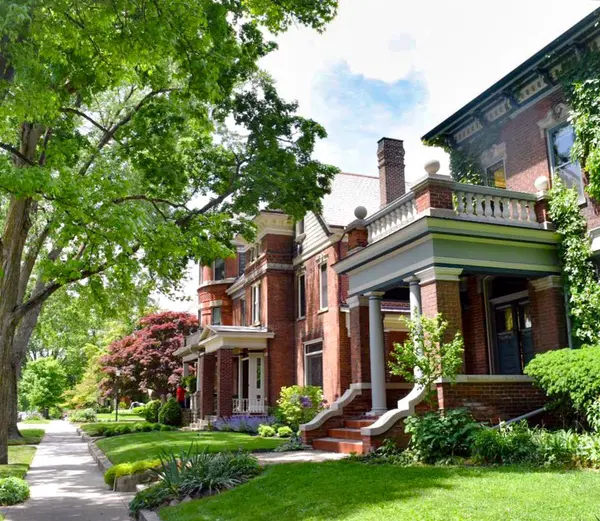
West Central sits immediately west and southwest of downtown and offers something the downtown core generally has much less of.
Historic single-family houses.
Porches.
Yards.
Garages.
Tree-lined residential streets.
And the ability to remain very close to downtown.
So if someone tells me, "I want to walk downtown, but I want an actual house," West Central may be the search they really mean. That's why we'll give it its own guide rather than pretending downtown and West Central are interchangeable. They're neighbors. Not the same housing market.
Walkability Is Downtown's Biggest Lifestyle Difference
This may be the strongest argument for living downtown.
You can walk from The Landing to Promenade Park.
Promenade to Headwaters.
The Landing to the arts campus.
The Embassy to the Botanical Conservatory.
Parkview Field to restaurants.
An apartment near Main Street to the Allen County Public Library.
And depending on where you live, you may be able to walk to work too.
That doesn't mean Downtown Fort Wayne suddenly functions like Manhattan.
You're still in Fort Wayne.
A car remains useful for most people.
But downtown is one of the few parts of the city where you can reasonably leave the car parked for a meaningful part of your day. That's a real lifestyle change.
Promenade Park Changed Downtown's Relationship With the River
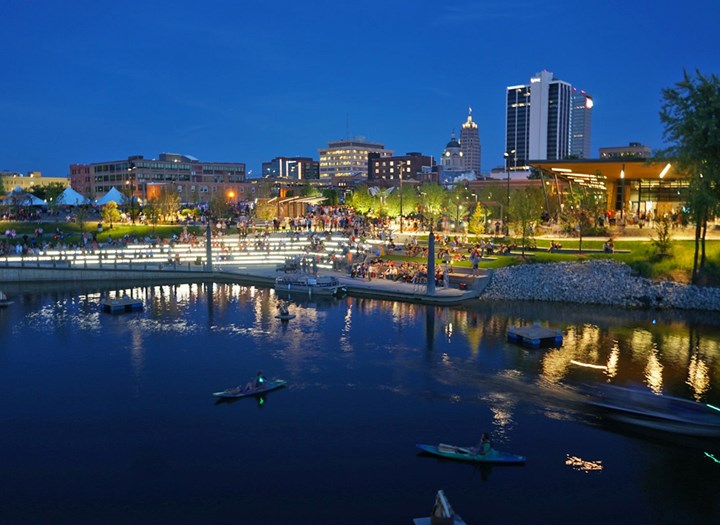
Fort Wayne was built around three rivers.
For a long time, downtown didn't take full advantage of that.
Promenade Park changed the equation when it opened in 2019.
The park sits along the St. Marys River and includes trails, river access, a treetop canopy trail, playground areas, gathering spaces, recreation, kayak access, and connections into the surrounding Rivergreenway system.
It made the river somewhere you actually go.
Not just something you cross on the way somewhere else.
That's a meaningful change for downtown residents. You can walk out of your apartment and be beside the water without getting into a car.
The Riverfront Is Still Changing
Promenade Park wasn't the end of the riverfront project.
Additional public spaces, residential development, and private investment continue to reshape the riverfront.
That includes more overlooks, river access, gathering spaces, trails, and mixed-use development around the water.
That's important for a homebuyer or renter because the downtown riverfront you're looking at today isn't the finished version.
It's still developing.
The Rivergreenway Makes Downtown Better Without Making a Lot of Noise About It
Fort Wayne's Rivergreenway follows the St. Marys, St. Joseph, and Maumee rivers and connects downtown with parks and neighborhoods throughout the city.
Downtown sits right in the middle of that system.
That means a downtown resident can go for a run or bike ride that doesn't consist entirely of city blocks and sidewalks.
You can follow the river.
Connect to other parts of Fort Wayne.
Reach parks.
And connect into trails going much farther north, south, east, and west.
That's one of the more underrated parts of downtown living.
The Landing Is a Small Area With a Big Downtown Presence
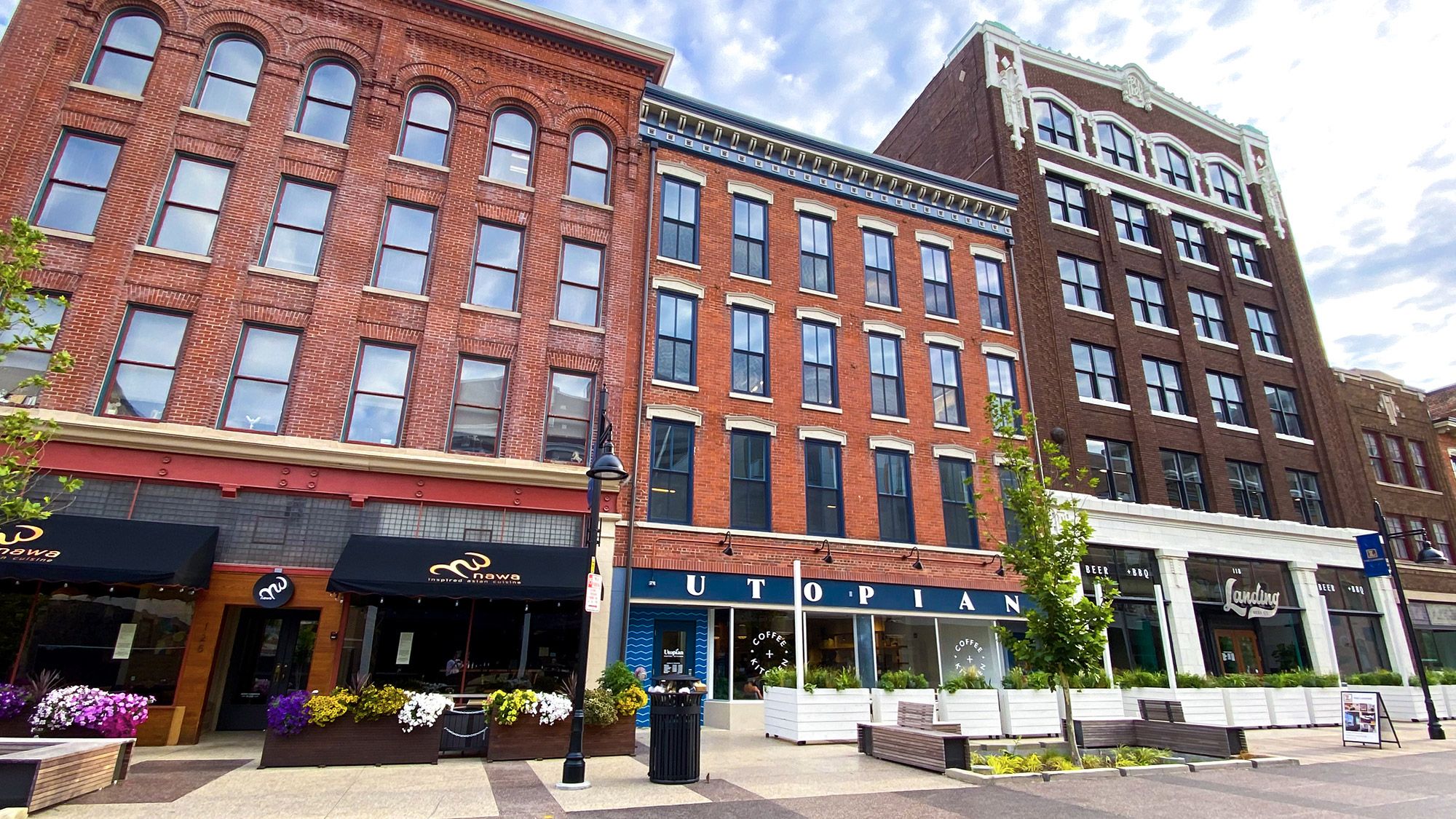
The Landing occupies a short stretch of Columbia Street.
It doesn't need to be very large.
The historic district has been redeveloped into a mixture of restaurants, bars, businesses, event space, and apartments, all within a short walk of Promenade Park.
This is one of the places where downtown feels the most urban.
You can live above the activity.
Walk downstairs for coffee.
Meet someone for dinner without moving your car.
Walk to the river afterward.
And then walk home.
For Fort Wayne, that's a very different residential experience.
Parkview Field Changed Downtown
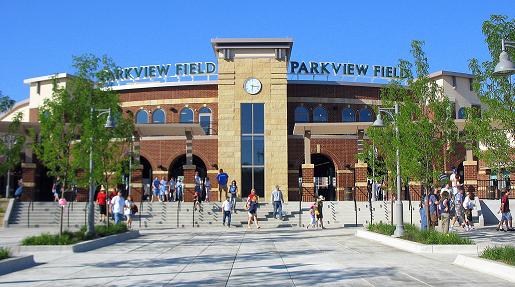
If you're trying to understand modern Downtown Fort Wayne, Parkview Field is one of the milestones.
The ballpark opened in 2009 and hosts the Fort Wayne TinCaps along with concerts, meetings, community events, fundraisers, weddings, and other events throughout the year.
It also gave downtown a regular evening and weekend destination.
That's important.
A downtown that's busy only from 8 to 5 isn't really functioning as a neighborhood.
Baseball brought people downtown when they weren't there for work.
Restaurants followed.
Housing followed.
Other investments followed.
The relationship isn't perfectly linear, but it's hard to tell the modern downtown story without the ballpark.
Living Near Parkview Field Comes With Baseball
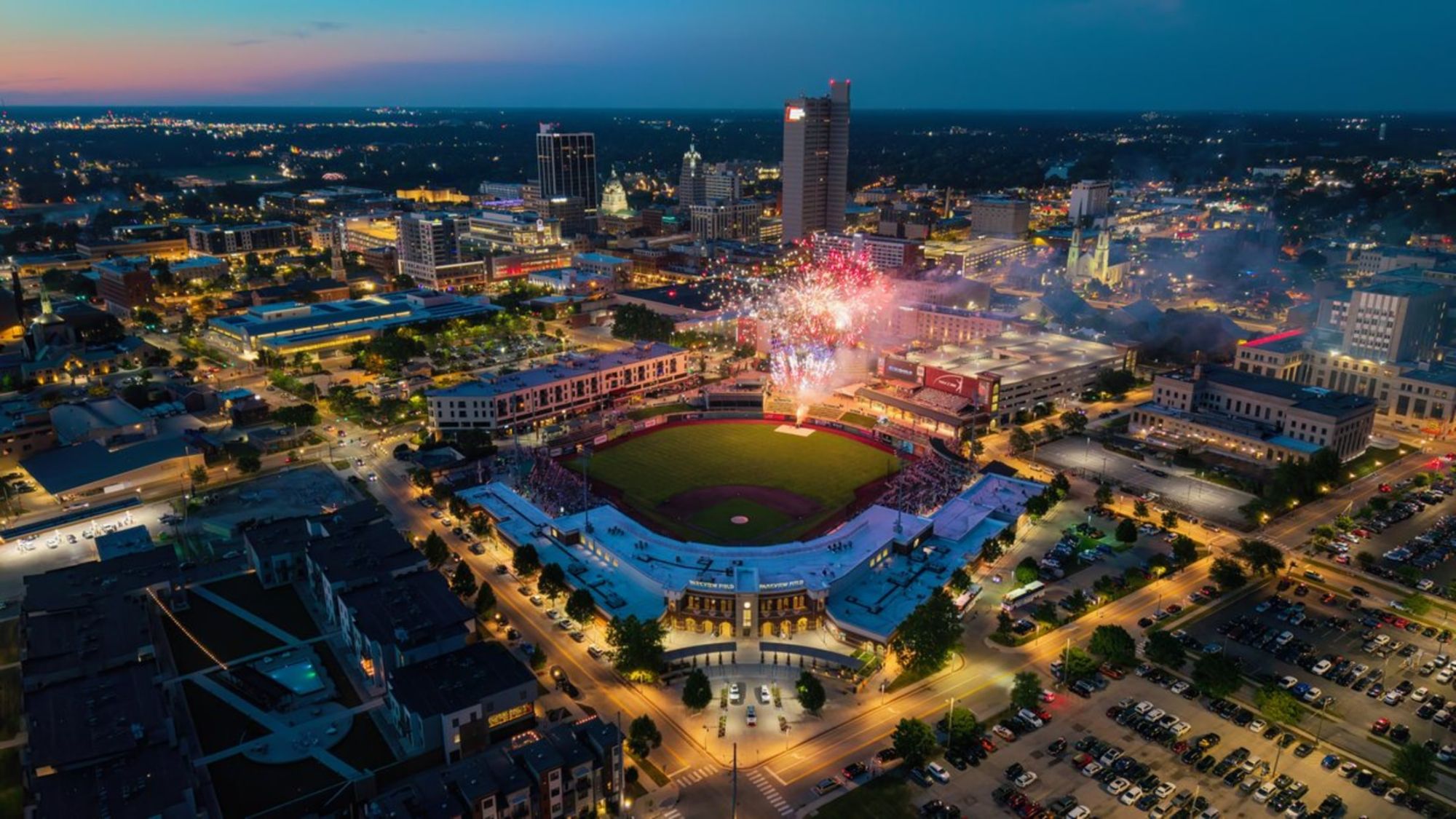
This sounds ridiculous until you've lived near a stadium.
If your building is near Parkview Field, baseball is part of the neighborhood.
Crowds.
Traffic before and after games.
Music.
Announcements.
Fireworks.
Events.
And a general increase in activity on game nights.
For some people, that's fantastic.
For someone who wants absolute quiet every evening, the apartment with the perfect view of the stadium may require a little more thought. Location within downtown matters too.
The Arts Are Concentrated Downtown
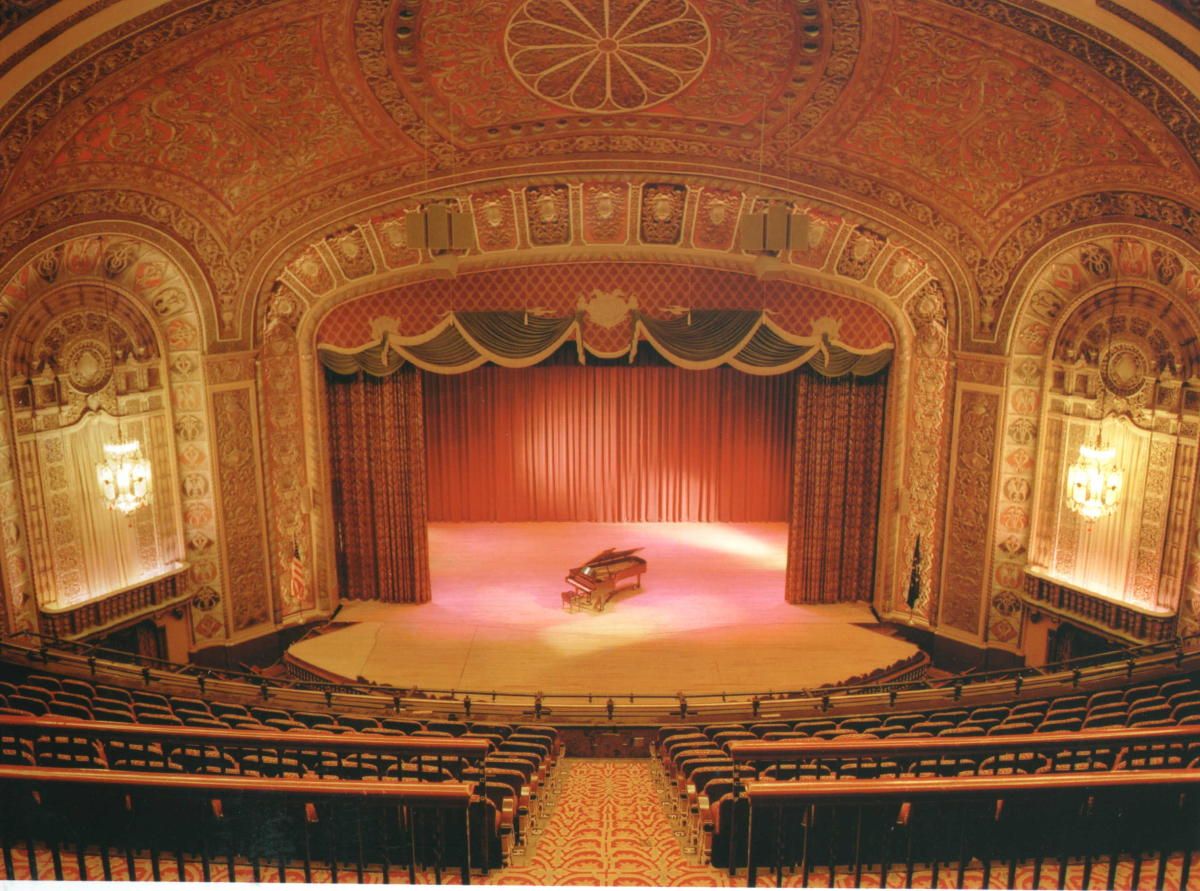
Downtown is home to the Fort Wayne Museum of Art, the Arts United Center, the Embassy Theatre, galleries, performance spaces, and other cultural institutions.
The interesting part isn't simply that Fort Wayne has these places.
It's that if you live downtown, they aren't necessarily special-trip destinations. They're down the street.
The Botanical Conservatory Is Another One of Those Downtown Oddities
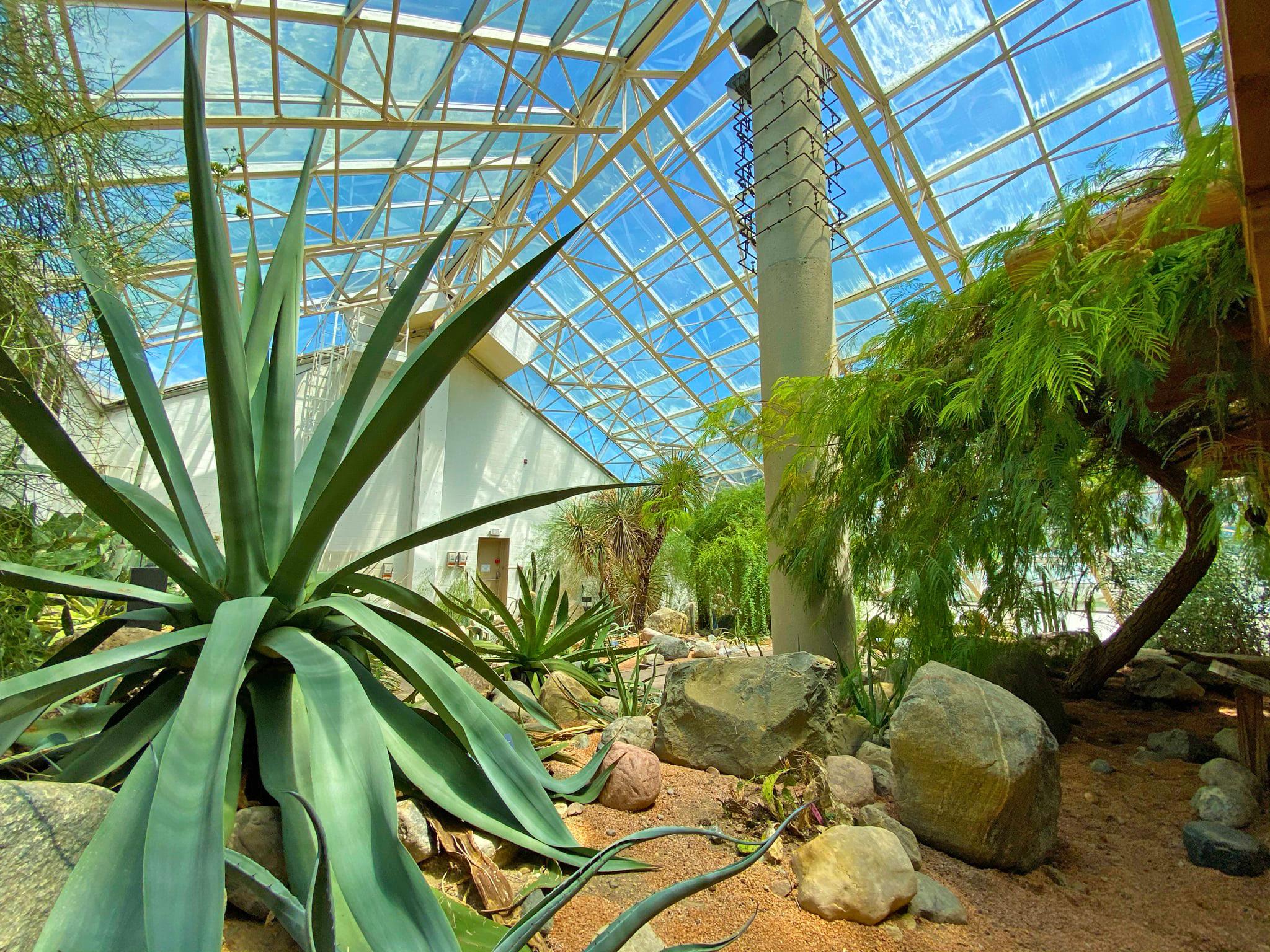
Across from the convention-center area sits a collection of indoor gardens.
The Foellinger-Freimann Botanical Conservatory includes tropical, desert, and seasonal garden environments right in the middle of downtown.
Office building.
Hotel.
Convention center.
Restaurant.
Palm trees.
Welcome to Fort Wayne.
And Then There's Stoner's FunStore
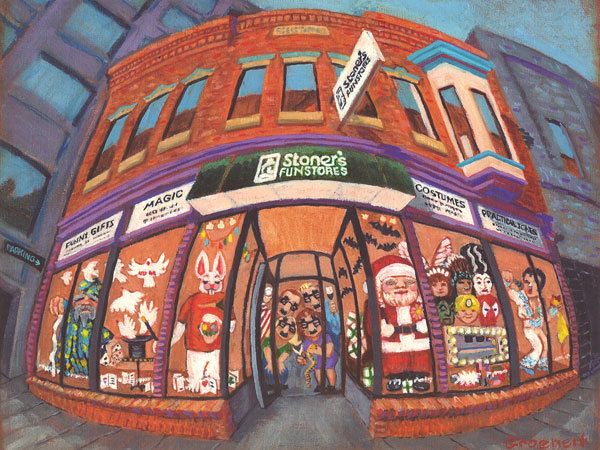
Downtown Fort Wayne also has one of those places that's difficult to explain properly until you've actually walked inside.
Stoner's FunStore has been downtown since 1949 and somehow manages to be a magic shop, costume store, theatrical-supply shop, collectible store, and source of ridiculous gag gifts all at the same time.
Need a magic trick?
They have those.
A wig?
Certanly.
A Halloween mask in March?
Also completely reasonable here.
It's been part of downtown long enough that generations of Fort Wayne residents have their own Stoner's story. It isn't a polished national retail concept designed by a committee. It's weird, local, useful, funny, and unmistakably Fort Wayne. Downtown is better for still having places like it.
Electric Works Has Expanded the Downtown Conversation
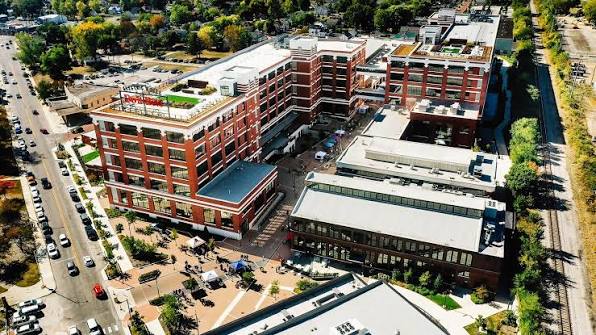
Electric Works isn't in the traditional downtown core.
It's along Broadway in the former General Electric campus.
But it is close enough, and connected enough, that the distinction is getting less meaningful for how people actually use downtown.
The historic campus now includes offices, restaurants, business and innovation space, public areas, and Union Street Market.
The market brings several independent local food businesses together in one place, including Johnny Ox Pizzeria, along with coffee, sushi, sandwiches, international food, sweets, and other local options.
That doesn't make Electric Works the same as The Landing. It means downtown is becoming more connected.
Downtown Dining Is No Longer an Afterthought
The restaurant situation downtown is considerably different than it was twenty years ago.
Restaurants.
Coffee shops.
Cocktail bars.
Breweries nearby.
Fine dining.
Casual restaurants.
Market-style food at Electric Works.
And places you can reasonably walk between.
For a downtown resident, that changes the relationship with going out. Dinner doesn't necessarily require driving somewhere and finding another parking lot. Sometimes you just leave the building.
Downtown Has a Lot of Events
Headwaters Park, the riverfront, downtown streets, arts venues, and Parkview Field host festivals, concerts, community events, markets, and seasonal programming throughout the year.
That's great when you want something to do.
It's slightly less great when you forgot there was a festival and you're trying to drive through the middle of it.
That's part of downtown living. Sometimes the inconvenience and the amenity are the same thing.
Parking Is Not Difficult, But It Is Something You Have to Think About
This is probably the biggest practical difference between downtown and the suburban guides we've done.
Parking becomes part of the real estate decision.
Some residential buildings have garages.
Some have assigned parking.
Some charge separately for parking.
Some arrangements are easier than others.
Downtown also has public garages, surface lots, and metered street parking.
When you're evaluating a downtown apartment or condo, don't just ask whether parking exists. Ask where it is. Is it covered? Is it attached to the building? Is it assigned? Is there an additional monthly cost? Where do guests park? What happens on event nights? You'll care about those answers more in February.
Walkability Does Not Mean You Will Never Need a Car
Downtown gives you the best opportunity in Fort Wayne to live a genuinely walkable day-to-day lifestyle.
But Fort Wayne as a whole is still a car-oriented city.
If you work downtown and spend most of your free time downtown, you may drive dramatically less.
If you work at Parkview Regional, teach in another part of Allen County, visit clients across Northeast Indiana, or regularly shop outside the core, you're probably still keeping a car.
That's okay.
The advantage isn't necessarily car-free living.
It's car-optional more often. That's a meaningful distinction.
Citilink Is Most Convenient From Downtown
Citilink Central Station sits downtown and serves as the main transfer hub for Fort Wayne's fixed-route bus system.
Most fixed routes begin or end there before branching throughout the city, making downtown the most naturally connected part of Fort Wayne for public transit.
That makes transit a real option for some downtown residents.
I still wouldn't assume you can replicate a Chicago-style car-free lifestyle here. But downtown gives you the best shot at using multiple transportation options instead of driving for every single trip.
Grocery Shopping Has Been One of Downtown's Weak Spots
This is one of the less glamorous but more important things to know.
Restaurants?
Plenty.
Coffee?
Easy.
Full-service everyday grocery shopping?
Historically, that's been much more limited.
Downtown residents have had options such as seasonal farmers markets, smaller food retailers, nearby markets, delivery, and a short drive to larger grocery stores.
That will continue improving as residential development grows and more everyday services move into the core. There is a grocery store being constructed in the repurposed Sunbeam Bread Factory on Pearl street set to open in 2027.
The Farmers Market Helps, Especially in Season
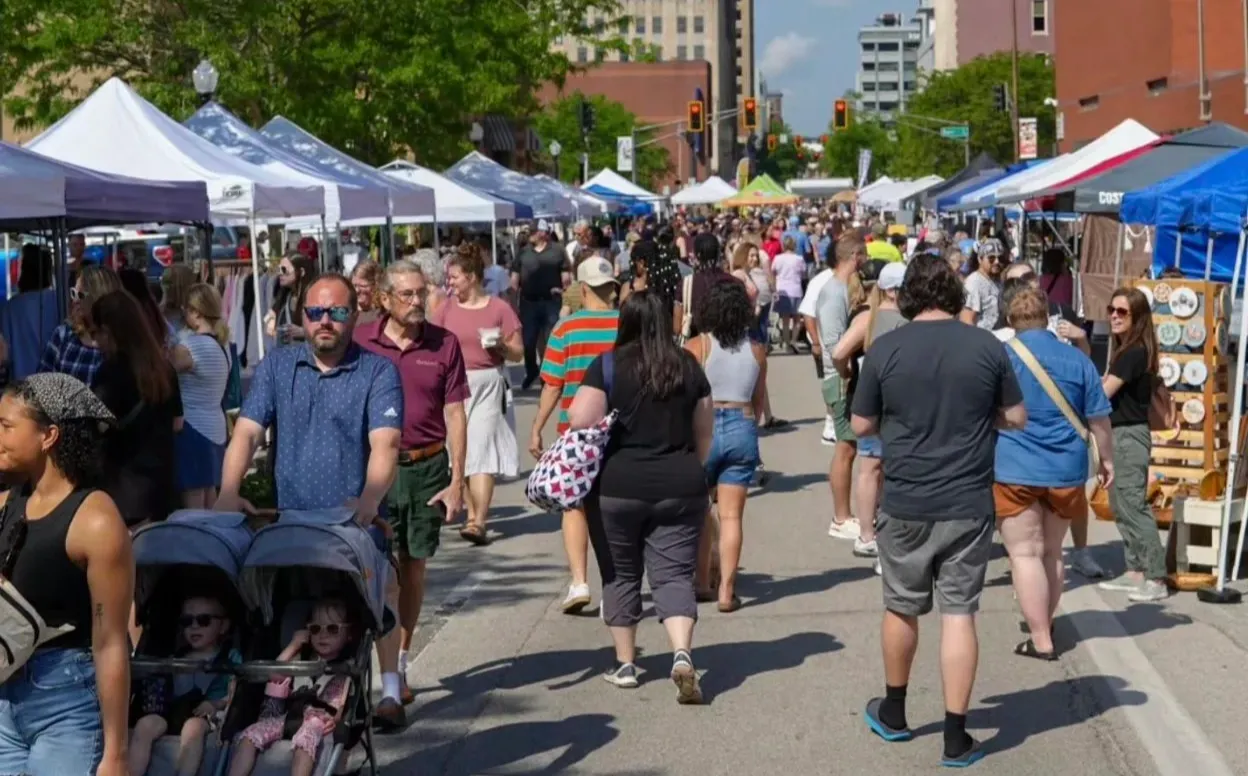
Downtown's farmers market tradition gives residents seasonal access to produce, meats, baked goods, plants, crafts, and other products.
That's not a complete substitute for a grocery store.
I'm not buying laundry detergent from a tomato farmer.
But it is another example of downtown functioning more like a neighborhood rather than just a collection of attractions.
Downtown Is Still Under Construction
This needs to be said as a positive and a warning.
Downtown has seen major investment over the past two decades, including Parkview Field, The Landing, Promenade Park, residential projects, Electric Works, The Pearl, riverfront development, and arts investments.
More projects are underway.
That means the downtown someone moves into today is likely not the exact downtown they'll have several years from now.
That's exciting.
It can also mean construction noise, temporary closures, changing traffic patterns, and views that don't remain exactly the same.
What Should You Know About Buying a Condo Downtown?
If you're purchasing rather than renting, the building matters almost as much as the unit.
Homeowners association.
Monthly dues.
Reserve funds.
Insurance structure.
What the HOA maintains.
Parking.
Rental restrictions.
Pet restrictions.
Upcoming capital projects.
Elevators.
Roof.
Windows.
Common mechanical systems.
With a single-family house, you own the roof problem. With a condo, everybody may own the roof problem together. The paperwork matters.
Historic Buildings Bring Their Own Questions
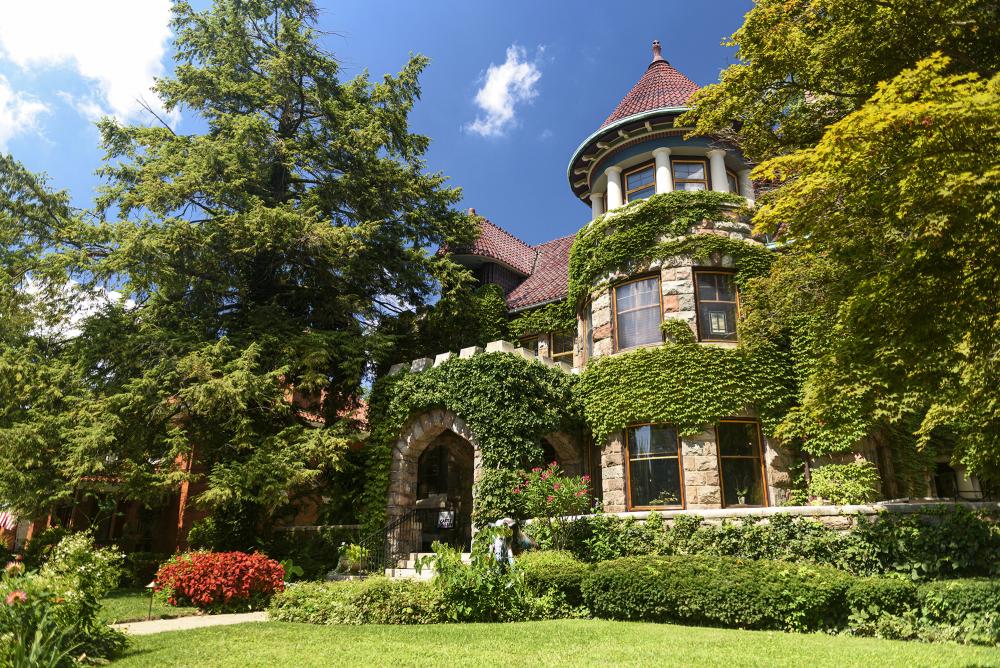
Some downtown housing exists in older buildings that have been converted or rehabilitated.
That can be fantastic.
Exposed brick.
Large windows.
High ceilings.
Original architectural details.
But older adaptive-reuse buildings deserve the same kind of curiosity we bring to an older house.
Windows.
Sound transmission.
HVAC.
Plumbing.
Elevators.
Fire systems.
Building envelope.
Parking.
Accessibility.
Character is great. So is knowing where the water goes when it rains.
Downtown Noise Is Relative
Downtown Fort Wayne is not Manhattan.
Nobody is leaning on a taxi horn beneath your window at 3 a.m. because eight million people all decided to move at once.
It is still downtown.
There are concerts.
Baseball games.
Festivals.
Bars.
Construction.
Emergency vehicles.
Street events.
And the occasional person who feels everyone within six blocks needs to hear their motorcycle.
The exact building and unit matter.
Visit at night. Not just at 11 a.m. on Tuesday.
Downtown Can Be Surprisingly Quiet Too
This is the other side of that conversation.
A Monday evening in January is not a Saturday night during festival season.
Downtown Fort Wayne can become pretty quiet once events end and office workers go home.
Some people love that.
You get the walkability and architecture without constant big-city noise.
Others expect an urban district with people on the sidewalk at every hour and may find Fort Wayne quieter than they imagined. Neither is wrong. It's just useful to know what you're actually moving into.
What About Schools?
Downtown addresses are within Fort Wayne Community Schools, but as with every property we've discussed, specific school assignments should be verified directly by address.
For many people considering downtown, school boundaries may not be the primary reason they're choosing the location. But assumptions still aren't useful. Check the actual property.
Is Downtown Fort Wayne the Right Place for You?
Downtown Fort Wayne can make a lot of sense if you value proximity over square footage.
You may have less private outdoor space.
But Promenade Park is down the street.
You may not have a three-car garage.
But you can walk to dinner.
You may share walls.
But you can walk to baseball, concerts, festivals, museums, coffee, the library, the riverfront, and trails.
That's the trade.
Downtown gives you Fort Wayne's most urban lifestyle without turning into the kind of enormous downtown where simply getting out of downtown becomes a project.
For the right person, that's a really good balance.
For someone who wants an acre, a pole barn, and silence after 8 p.m., we're probably opening a different search.
And that's okay. The question isn't whether Downtown Fort Wayne is better than the suburbs. It's whether downtown makes your normal life better.
Frequently Asked Questions About Living in Downtown Fort Wayne
Can you actually live in Downtown Fort Wayne?
Yes. Downtown now has a substantial residential market with modern apartments, renovated lofts, condos, mixed-use buildings, live-work units, and new developments continuing to add housing.
What types of housing are available downtown?
Housing includes modern apartments, historic loft conversions, condos, mixed-use developments, live-work units, and some attached housing. Traditional detached houses are much less common in the core, with nearby West Central offering more options for buyers who want a historic single-family home close to downtown.
Is Downtown Fort Wayne walkable?
Downtown is one of Fort Wayne's strongest areas for walking between housing, restaurants, parks, entertainment, trails, cultural destinations, offices, and events. Most residents will probably still find a car useful for destinations elsewhere in the city.
Is parking free in Downtown Fort Wayne?
Some street parking is metered during weekday business hours. Downtown also has public garages and surface lots, while residential parking arrangements vary by building.
Does Downtown Fort Wayne have a grocery store?
Full-service grocery access has historically been one of downtown's weaker everyday amenities. Residents also use seasonal markets, smaller food retailers, delivery, and larger grocery stores a short drive away. It is coming in 2027.
What is Promenade Park?
Promenade Park is Fort Wayne's downtown riverfront park on the St. Marys River. It includes trails, recreation, river access, gathering areas, playground features, and connections to the larger Rivergreenway system.
Does downtown connect to Fort Wayne's trails?
Yes. The Rivergreenway passes through downtown and connects into Fort Wayne's larger regional trail network.
What is The Landing?
The Landing is the redeveloped historic Columbia Street district with restaurants, businesses, entertainment, apartments, and events near Promenade Park.
Is Parkview Field downtown?
Yes. Parkview Field is located downtown and has been home to the Fort Wayne TinCaps since opening in 2009.
What is Electric Works?
Electric Works is the redevelopment of Fort Wayne's historic General Electric campus along Broadway. It includes offices, restaurants, Union Street Market, public space, and business and innovation uses near the traditional downtown core.
Is West Central part of downtown?
West Central sits immediately beside downtown and is closely connected to it, but it has a distinct residential identity. Buyers looking for historic detached homes, yards, and porches while remaining close to downtown should consider West Central as its own search.
Does downtown have public transportation?
Yes. Citilink Central Station is located downtown and serves as the main transfer hub for Fort Wayne's fixed-route bus network.
Is Downtown Fort Wayne noisy?
That depends heavily on the building and location. Areas near Parkview Field, entertainment venues, bars, festivals, or active construction can be busier, while other downtown blocks can become relatively quiet outside of business and event hours.
Is Downtown Fort Wayne still growing?
Yes. Riverfront work, housing, mixed-use projects, arts investments, and redevelopment around downtown and Broadway continue to expand the urban core.
Thinking About Moving to Downtown Fort Wayne?
Don't just come downtown for dinner and assume you understand what living here would be like.
Spend a day.
And an evening.
Start at Promenade Park.
Walk the riverfront.
Cross the Wells Street Bridge.
Follow the trail.
Walk The Landing.
Go through the Main Street and arts-campus area.
Find the library.
Walk toward Parkview Field.
Then keep going toward Broadway and Electric Works.
Don't rush.
Notice how long things actually take on foot.
Then come back when something is happening.
A TinCaps game.
A festival.
A concert.
See what parking looks like.
See what traffic looks like.
Then come back when nothing is happening.
That's useful too.
If you're considering an apartment, walk from the building to the places you'd actually use.
Coffee.
Work.
Dinner.
Trail.
Parking garage.
Bus station.
Grocery options.
If you own a dog, figure out where you're taking the dog at 6:30 in the morning in January. Those are the questions that turn an attractive downtown apartment into an actual place to live.
Buying a Home or Condo in Downtown Fort Wayne
If you're purchasing downtown, start by deciding what kind of ownership you actually want.
Condo?
Loft?
Townhome?
Mixed-use building?
Something modern?
Historic?
River view?
Ballpark area?
Near The Landing?
Closer to West Central?
Then we evaluate the property and the building.
Condition.
HOA.
Monthly dues.
Parking.
Insurance.
Reserves.
Restrictions.
Common areas.
Mechanical systems.
Upcoming assessments.
Rental rules.
Pet rules.
Accessibility.
Storage.
Noise.
Comparable sales.
Downtown ownership involves some different questions from buying a subdivision home. That's not a problem. We just need to ask the right ones.
Renting in Downtown Fort Wayne
If you're renting, don't evaluate the apartment only by the kitchen countertops.
The building matters.
Parking matters.
Sound matters.
Package delivery matters.
Guest access matters.
Pet policies matter.
Elevators matter.
And the block matters.
Walk around it. At night. On the weekend. During an event. Figure out whether the convenience you're paying for is convenience you'll actually use.
Selling a Downtown Fort Wayne Property
Downtown properties need to be marketed as more than bedrooms and bathrooms.
Building amenities.
Parking.
River access.
Views.
Walkability.
HOA fees.
Outdoor space.
Proximity to restaurants.
Distance to Parkview Field.
Historic character.
Modern finishes.
A downtown condo shouldn't be priced or marketed like a ranch in Northeast Fort Wayne. It's a different product. The location isn't just where the property sits. It's part of what you're selling.
Know someone considering Downtown Fort Wayne?
Share this guide with them. Downtown living is less about choosing a subdivision and more about choosing the building, block, and everyday lifestyle that actually fit.
Have Questions About Downtown Fort Wayne Real Estate?
If you're thinking about buying, selling, renting, or moving to Downtown Fort Wayne, I'm happy to help you work through the details.
Downtown isn't just offices anymore. It's the riverfront, apartments, condos, historic buildings, baseball, restaurants, trails, festivals, the arts, The Landing, Electric Works, and a residential market that is still changing. Sometimes finding the right home downtown starts with figuring out what you actually want to be able to walk to.
Contact Hicks Team Real EstateCategories
Recent Posts