Living in Northeast Fort Wayne, Indiana | Area Guide
Community Spotlight
Living in Northeast Fort Wayne, Indiana: What to Know Before You Move
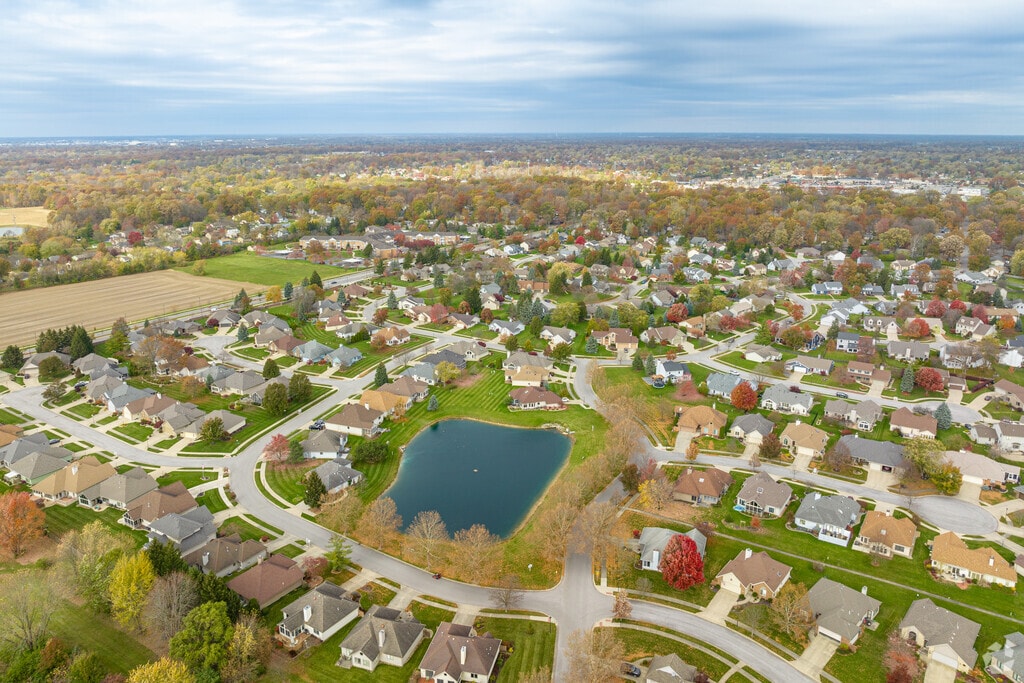
Established neighborhoods, major healthcare, newer development, trails, parks, shopping, and a location that can put both Fort Wayne and the countryside within a pretty short drive.
By Nate Hicks • Hicks Team Real Estate
Quick Answer: What Is Northeast Fort Wayne Like?
Northeast Fort Wayne is one of the city's most varied residential areas. Depending on where you look, you can find established neighborhoods from several decades of development, mature ranch homes, larger suburban subdivisions, newer construction near the northern edge, apartments, villas, and properties that start to feel almost rural. The area is anchored by major roads including St. Joe Road, Maplecrest Road, Leo Road, Dupont Road, and Union Chapel Road, with Parkview Regional Medical Center serving as one of its biggest employment and healthcare centers. Shoaff Park, the St. Joseph River, Fort Wayne's trail network, and extensive shopping and services add to the appeal.
That's the broad answer.
The problem is that "Northeast Fort Wayne" covers a lot of ground.
The Georgetown area doesn't feel like Union Chapel.
The neighborhoods around St. Joe Road don't feel exactly like newer development near Dupont.
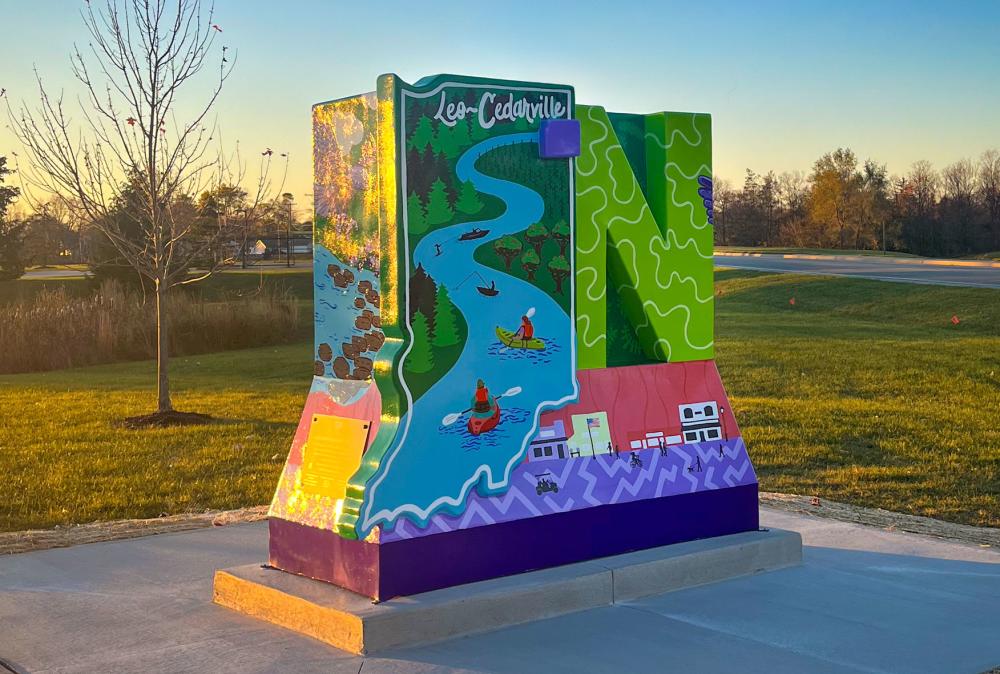
Go far enough north and you're getting toward Leo-Cedarville and rural Allen County.
Go south and you're moving into older, more established parts of Fort Wayne.
That's why Northeast Fort Wayne works better as a starting point than as a complete description of a home search.
What Do We Mean by Northeast Fort Wayne?
There isn't one official line where Northeast Fort Wayne begins and ends.
For this guide, I'm talking about the broader northeast side of the city, including areas around St. Joe Road, Maplecrest Road, Georgetown, Maysville Road, Leo Road, Dupont Road, Union Chapel Road, and the Parkview Regional Medical Center corridor.
Some people will draw those boundaries differently.
That's fine.
Fort Wayne isn't divided into four perfectly neat wedges.
We're using Northeast as a practical way to understand the city, not trying to redraw a municipal map.
It's also worth distinguishing this from Historic Northeast Fort Wayne, which is a specific group of older neighborhoods closer to the city's urban core. That's another part of Fort Wayne with its own character and one we can explore separately.
Northeast Fort Wayne at a Glance
City: Fort Wayne
County: Allen County
General Area: Northeastern and north-northeastern Fort Wayne
Major Roads: St. Joe Road, Maplecrest Road, Leo Road, Maysville Road, Dupont Road, and Union Chapel Road
Major Healthcare Anchor: Parkview Regional Medical Center
Major Park: Shoaff Park
River: St. Joseph River
Housing: Older ranches, established subdivisions, two-story homes, condos and villas, apartments, newer subdivisions, and rural-edge properties
School Districts: Fort Wayne Community Schools, with some Fort Wayne-addressed properties in East Allen County Schools or Northwest Allen County Schools depending on location
Shopping and Services: Georgetown area, Maplecrest corridor, Dupont corridor, Maysville Road, and nearby north-side Fort Wayne
Overall Feel: A mixture of mature suburban Fort Wayne and some of the city's newer northern growth
Northeast Fort Wayne Is Really Several Different Areas
This is probably the most important thing to understand.
Northeast Fort Wayne isn't one neighborhood.
It's a collection of neighborhoods, corridors, and development eras.
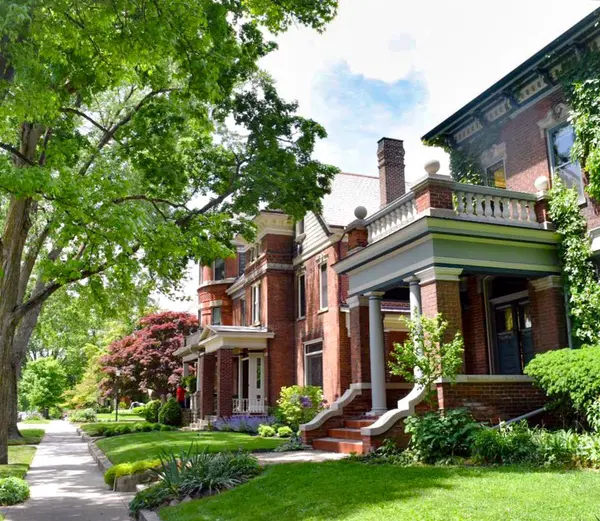
Closer to Georgetown and the established parts of St. Joe and Maplecrest, you're dealing with neighborhoods that have been around for decades.
Mature trees.
Ranches.
Traditional two-stories.
Established landscaping.
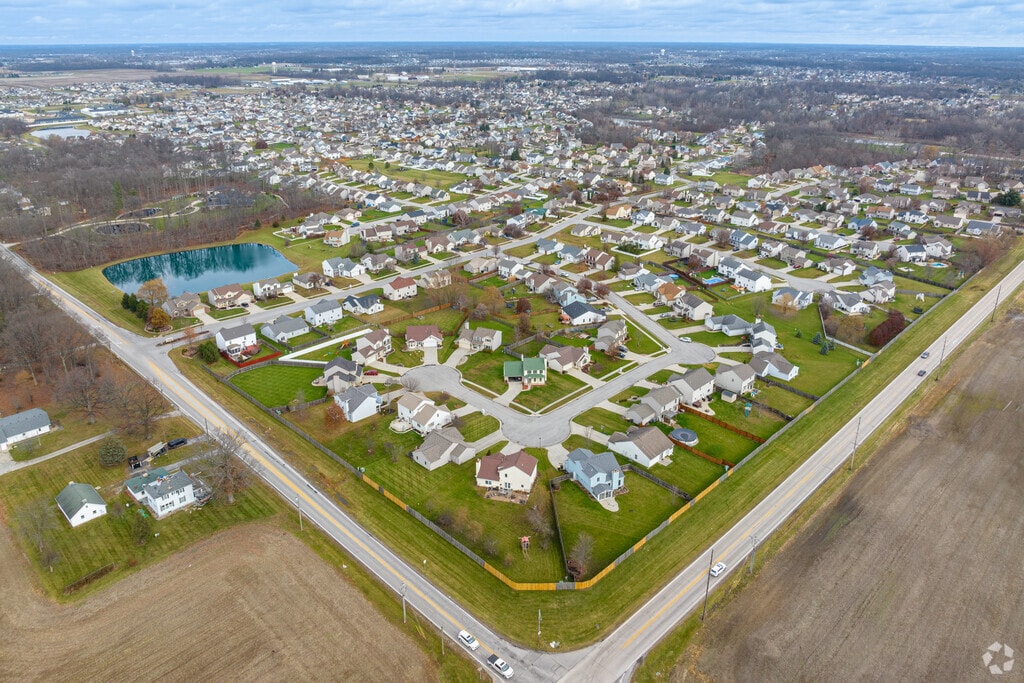
Head farther north toward Dupont and Union Chapel and the picture changes.
The roads are wider.
More land is still being developed.
Healthcare and commercial construction become much more noticeable.
Some neighborhoods are substantially newer.
Neither version is automatically better. They're just different searches.
The Parkview Regional Area Has Become a Major Northeast-Side Anchor
It's hard to talk about the northeast and north side of Fort Wayne without talking about Parkview Regional Medical Center.
Parkview Regional Medical Center opened in 2012 along I-69 and now anchors a large healthcare campus with inpatient care, specialty centers, women's and children's services, heart care, cancer care, and additional medical facilities.
This isn't just a hospital sitting beside the interstate.
The Parkview campus has influenced development around it.
Medical offices.
Specialty practices.
Hotels.
Restaurants.
Housing.
Employers.
For someone who works at Parkview or elsewhere in the north-side medical community, living in Northeast Fort Wayne can make a lot of logistical sense. Your commute could be measured in minutes without having to live directly beside the hospital.
Parkview Is Still Growing
The medical corridor isn't static either.
Parkview has continued expanding services at the Regional Medical Center, including additional inpatient capacity and specialty care.
That matters for relocation because the Parkview campus isn't only a healthcare amenity.
It's also an employment center and a continuing development driver. If you're buying around Union Chapel, Dupont, or the northern portion of the northeast side, what happens around Parkview matters.
Dupont Road Tells a Lot of the Growth Story
Dupont Road is one of those places where the growth of northern Fort Wayne becomes obvious.
Over several decades, the corridor has added neighborhoods, medical facilities, restaurants, businesses, and traffic.
Road improvements have added travel lanes, turn lanes, sidewalks, trails, pedestrian crossings, drainage work, and other infrastructure as the surrounding area has grown.
That tells you something.
Infrastructure didn't expand because nobody was moving there.
For a homebuyer, Dupont can be very convenient. It's also a major road. There's a difference between being five minutes from Dupont and having your backyard against Dupont. Location within the location matters.
Union Chapel Is One of the Areas to Watch
Union Chapel Road is another corridor where Northeast Fort Wayne starts blending into the northern growth of the city.
Parkview Regional sits nearby.
I-69 is close.
You'll find established development mixed with newer neighborhoods and land that may still change.
This is an area where I pay particular attention to what surrounds a house.
Is the subdivision finished?
What's on the other side of that field?
Is another residential phase planned?
Could the nearby parcel become commercial?
Is a road extension possible?
What's already approved?
In a fully developed neighborhood, those questions may be less important. Around an active growth corridor, they're part of the buying process.
Georgetown Is a Different Version of Northeast Fort Wayne
Head farther southeast and Georgetown gives you a much more established version of the northeast side.
The broader Georgetown and Blackhawk area includes a large number of established neighborhoods.
You'll find mature landscaping, traditional suburban development, older ranches, two-story homes, and neighborhoods where most of the surrounding environment has been in place for years.
This is a useful reminder that Northeast Fort Wayne isn't just new subdivisions around Parkview. A huge portion of it is established suburban Fort Wayne, and those neighborhoods deserve just as much attention.
Established Neighborhoods Can Be a Big Part of the Appeal
There are buyers who specifically don't want new construction.
They want trees that are taller than the house.
A yard that's already figured itself out.
A neighborhood where you're not wondering what will be built next door.
Maybe a ranch.
Maybe a traditional two-story.
Maybe a house from the 1960s, 70s, 80s, or 90s.
Northeast Fort Wayne has plenty of that.
The tradeoff is that an established house may come with established maintenance.
Roof.
Windows.
HVAC.
Driveway.
Electrical.
Plumbing.
Sewer line.
The question isn't whether an older neighborhood is good or bad. It's whether the house has been maintained and whether the property fits what you're trying to buy.
Shoaff Park Is One of the Northeast Side's Best Recreation Assets
Shoaff Park is one of those city parks that does a little bit of everything.
The park covers about 184.5 acres along St. Joe Road and the St. Joseph River.
It includes baseball and softball, basketball, soccer, tennis, an 18-hole par-three golf course, disc golf, a playground, seasonal splash pad, trails, picnic areas, pavilions, a boat ramp, and more than a mile of riverbank.
That's a serious neighborhood amenity.
You can golf.
Walk.
Bike.
Fish.
Launch a boat.
Play disc golf.
Or just find a quiet stretch near the river.
You don't have to treat the park like a destination. If you live nearby, it can just become part of your week.
The St. Joseph River Helps Give This Part of Town Some Character
Fort Wayne is a three-river city, but the relationship with the rivers changes depending on where you live.
On the northeast side, the St. Joseph River is the one you'll notice most.
It runs through Shoaff Park and helps shape portions of the surrounding trail and recreation system.
That gives some northeast-side areas a natural element that newer commercial corridors can otherwise hide.
There are busy roads.
There are shopping centers.
There are subdivisions.
Then suddenly you're along the river under mature trees.
Fort Wayne does that surprisingly often.
Trails Matter Here Too
Fort Wayne's trail network now includes more than 160 miles of multi-use trails across the region.
On the northeast side, trail connections run through and around parks, the St. Joseph River corridor, neighborhoods, and major roads.
Shoaff Park connects into the broader greenway system, giving residents options beyond simply looping around their subdivision.
Two neighborhoods may look similar in photos. One may give you easy access to a trail system that can take you miles from home. If you actually walk, run, or bike, that's worth something.
Shopping and Everyday Errands Are Pretty Easy
You don't need to go downtown for groceries.
Or dinner.
Or most normal errands.
The northeast side has significant commercial development along and around Maplecrest, Maysville, Georgetown, Dupont, and the north-side corridors nearby.
The Georgetown area has long been an established shopping and service center.
Maplecrest gives you a major north-south route through the east side.
Dupont brings another large concentration of restaurants, medical offices, services, and businesses.
And if you need something that isn't immediately on the northeast side, the rest of Fort Wayne usually isn't very far away.
You're Also Close to I-69
The northern portion of Northeast Fort Wayne gives relatively quick access to I-69, particularly through the Dupont and Union Chapel areas.
That can matter if your work takes you around Allen County or farther across Northeast Indiana.
It's also useful for reaching Fort Wayne International Airport, southwest Fort Wayne, Auburn, and other regional destinations without crossing every surface street in the city.
Again, the usefulness depends on the actual house. Five minutes from the interstate is convenient. Immediately beside interstate noise is a different conversation.
School Districts Require Some Homework
This is one of the sections I would pay close attention to if schools matter to your move.
A Northeast Fort Wayne address does not automatically tell you the school district.
Much of the area is within Fort Wayne Community Schools.
But as you move toward the outer northeast and north edges of Fort Wayne, you can encounter properties in East Allen County Schools or Northwest Allen County Schools while still having a Fort Wayne mailing address.
Don't guess. Don't rely solely on the listing. Don't assume the closest school is the assigned school. Verify the exact address directly with the district.
A Fort Wayne Address Can Still Be NACS or EACS
This surprises people moving here.
Northwest Allen County Schools has Fort Wayne-addressed schools and properties on the north side.
East Allen County Schools also includes Fort Wayne-addressed properties on the northeast and eastern edges.
Mailing addresses and school corporations are two different systems. Once you understand that, Fort Wayne real estate starts making a lot more sense.
What Types of Homes Are in Northeast Fort Wayne?
There's a broad mix.
Older ranch homes.
Split levels.
Traditional two-stories.
Established subdivisions.
Homes from the 1980s and 1990s.
Larger suburban homes.
Villa and condo-style properties.
Apartments.
Newer subdivisions.
And toward the outside edge, properties that start feeling much more rural. That's one reason I like breaking Fort Wayne into areas without pretending the areas are individual neighborhoods. "Northeast Fort Wayne" narrows the map. It doesn't narrow it enough to skip the rest of the conversation.
Newer Construction Is Mostly a Northern Story
The farther north you go toward Dupont, Union Chapel, and the edges of city development, the more likely you are to encounter newer housing and active residential growth.
That creates a different buying process.
Who's the builder?
When was the home completed?
What's still under builder warranty?
Is the neighborhood finished?
How many phases are planned?
Does it have an HOA?
What do the restrictions say?
Where will traffic enter and leave when the rest of the subdivision is completed?
What is planned around it?
And how does the lot drain?
A new house can eliminate some old-house concerns. It creates some new-house questions.
Older Northeast Homes Need Different Due Diligence
Move into the established parts of Georgetown, St. Joe, or surrounding neighborhoods and the inspection conversation changes.
Now I want to know about age and maintenance.
Roof.
Furnace.
Air conditioner.
Water heater.
Windows.
Electrical panel.
Sewer line.
Foundation.
Drainage.
Siding.
Driveway.
A house from 1975 isn't automatically a problem. A house from 1975 with every major component still behaving like it's 1975 deserves a closer look. That's different.
Traffic Depends Heavily on the Corridor
One reason people like Northeast Fort Wayne is access.
One reason people complain about Northeast Fort Wayne is also access.
Everybody else figured out those roads were useful too.
Dupont can get busy.
Maplecrest can get busy.
St. Joe can get busy.
Leo Road can get busy.
School arrival and dismissal changes things.
Construction changes things.
Hospital shift changes can matter around the Parkview corridor.
A lot of the practical decision comes down to where your house is relative to the road network. A neighborhood with two easy ways out may feel much more convenient than one that feeds all its traffic through a single intersection. That's something you don't necessarily notice in listing photos. You notice it at 7:45 on Monday morning.
Your Commute Could Be Extremely Convenient
If you work at Parkview Regional or somewhere around Dupont, Northeast Fort Wayne can be one of the easiest places in the city to live from a commute standpoint.
The same can be true for jobs around north Fort Wayne, I-69, Leo Road, or northeast Allen County.
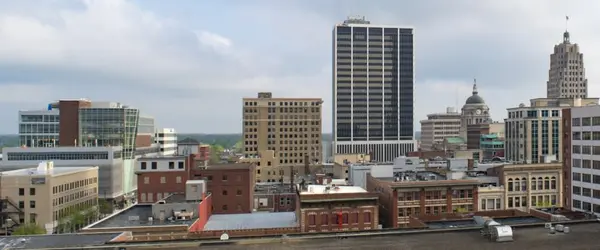
Downtown is still reasonably accessible.
And the interstate makes longer regional trips easier.
But if you work in southwest Fort Wayne, you're crossing a much larger part of the city. That's not necessarily a dealbreaker. Just don't assume "Fort Wayne to Fort Wayne" means a five-minute commute.
Northeast Fort Wayne Can Get Rural Pretty Quickly
This is something I think people moving from larger cities find interesting.
You can live near a major hospital, interstate, restaurants, shopping, and subdivisions.
Then drive north or east for a little while and suddenly you're looking at farm ground.
Go toward Leo-Cedarville, Grabill, or the county edges and that transition becomes even more obvious.
That's useful if you like having city amenities nearby but don't necessarily want to feel surrounded by city in every direction.
It also creates real-estate variety. You may find properties on larger lots or acreage while still keeping a Fort Wayne mailing address. Just remember that city services and utilities can change toward the edges.
Utilities Can Change Toward the Outer Edges
Inside more established city neighborhoods, municipal water and sewer are common.
Move toward unincorporated Allen County or the outer edges and the situation can vary.
Private wells.
Septic systems.
Different utility providers.
Propane in some cases.
City limits and mailing addresses aren't the same thing. So if you're buying farther out, verify what actually serves the property. Don't infer it from the word "Fort Wayne."
Growth Is Both an Advantage and Something to Watch
Growth brings things people like.
New restaurants.
New medical facilities.
New roads.
New neighborhoods.
More services.
It also means change.
Traffic.
Construction.
Different views.
Future development behind the house.
Infrastructure projects.
If you're buying in a more established Georgetown-area neighborhood, much of the surrounding environment may already be defined. If you're buying farther north around active development, the future matters more. Neither is wrong. They're different levels of uncertainty.
What Should Homebuyers Know About Northeast Fort Wayne Real Estate?
Start by narrowing the northeast side.
Are you looking near Georgetown?
St. Joe?
Maplecrest?
Dupont?
Parkview?
Union Chapel?
Closer to Leo?
Those aren't interchangeable.
Then look at the property.
School corporation.
Age.
Condition.
Utilities.
Neighborhood.
Lot.
Drainage.
Traffic.
HOA or restrictions.
Builder.
Future development.
Trail access.
And your daily commute.
A house can be excellent and still be in the wrong part of Northeast Fort Wayne for the way you actually live. The location has to work too.
Is Northeast Fort Wayne the Right Place for You?
Northeast Fort Wayne can make a lot of sense if you want a suburban or established-neighborhood setting while staying firmly connected to the city.
You have Parkview Regional Medical Center.
Shoaff Park.
The St. Joseph River.
Trails.
Established neighborhoods.
Newer construction.
Shopping.
Restaurants.
I-69 access.
And rural Allen County not very far beyond the city's edge.
You can choose something mature and established.
Or something newer.
Or something closer to the countryside.
That's a lot of variety inside one broad section of Fort Wayne.
The tradeoff is that the area isn't uniform.
School districts change.
Development patterns change.
Traffic changes.
Housing changes.
The farther north you go, the more future development becomes part of the conversation. So the better question isn't simply whether you want Northeast Fort Wayne. It's which part of Northeast Fort Wayne fits you best.
Frequently Asked Questions About Living in Northeast Fort Wayne
Is Northeast Fort Wayne an official neighborhood?
No. Northeast Fort Wayne is a broad geographic description covering many individual neighborhoods and corridors.
What areas are considered Northeast Fort Wayne?
People use the term differently, but it commonly includes areas around St. Joe Road, Georgetown, Maplecrest Road, Maysville Road, Leo Road, Dupont Road, Union Chapel Road, and Parkview Regional Medical Center.
Is Historic Northeast the same as Northeast Fort Wayne?
Not exactly. Historic Northeast refers to a specific group of older urban-core neighborhoods. This guide uses Northeast Fort Wayne in the broader relocation sense.
What hospital is on the northeast side of Fort Wayne?
Parkview Regional Medical Center is located near I-69 and Union Chapel Road and serves as one of the largest healthcare anchors on Fort Wayne's north and northeast side.
What is Shoaff Park?
Shoaff Park is a roughly 184-acre Fort Wayne city park on St. Joe Road. Amenities include golf, disc golf, trails, a playground, splash pad, sports fields, tennis, basketball, pavilions, river access, and a boat ramp.
Does Northeast Fort Wayne have trails?
Yes. Northeast-side neighborhoods connect to Fort Wayne's larger trail and greenway network, which includes more than 160 miles of multi-use trails across the region.
What school district serves Northeast Fort Wayne?
It depends on the property. Much of Northeast Fort Wayne is served by Fort Wayne Community Schools, but Fort Wayne-addressed properties can also be located in East Allen County Schools or Northwest Allen County Schools. Verify the exact address directly with the district.
Are there newer homes in Northeast Fort Wayne?
Yes. Newer subdivisions and residential growth are especially common toward Dupont Road, Union Chapel Road, and the northern edge of Fort Wayne.
Are there older homes in Northeast Fort Wayne?
Yes. Areas around Georgetown, St. Joe Road, Maplecrest, and other established northeast-side neighborhoods include homes from several decades of Fort Wayne's development.
Is Northeast Fort Wayne close to I-69?
The northern portion is. Dupont Road and Union Chapel provide relatively convenient access to I-69 and the Parkview Regional area.
Is Northeast Fort Wayne close to downtown?
Yes. Actual drive time depends on your starting point, but much of Northeast Fort Wayne remains within a manageable drive of downtown.
Is Northeast Fort Wayne close to Leo-Cedarville?
Yes. Leo-Cedarville sits north and northeast of the city and is a natural extension of the broader northeast Allen County area.
Does Northeast Fort Wayne have shopping and restaurants?
Yes. Shopping, restaurants, medical services, and other everyday amenities are concentrated along corridors including Georgetown, Maplecrest, Maysville, Dupont, and nearby north-side commercial areas.
Thinking About Moving to Northeast Fort Wayne?
Don't tour one subdivision and decide you've seen the northeast side.
Start around Georgetown.
Drive through some of the established neighborhoods.
Head up Maplecrest.
Take St. Joe Road past Shoaff Park.
Drive around the park.
See the St. Joseph River.
Then head north.
Go toward Dupont.
Drive around Parkview Regional.
Follow Union Chapel.
Look at some newer neighborhoods.
Then keep going toward the edge of the city.
Watch how quickly the housing changes.
Watch how quickly the traffic changes.
Watch how quickly the subdivisions turn back into open land.
Then drive your commute.
Go where you'd buy groceries.
Go where you'd eat dinner.
Find the nearest trail.
Check the school assignment.
And if you're looking at a house beside an empty field, find out what can happen to that field. That's how you figure out whether you like Northeast Fort Wayne. Not from a map. From seeing how your actual life would work there.
Buying a Home in Northeast Fort Wayne
If you're searching for homes for sale in Northeast Fort Wayne, start by narrowing the area before narrowing the house.
Established Georgetown-area neighborhood?
St. Joe corridor?
Maplecrest?
Newer development near Dupont?
Close to Parkview?
Union Chapel?
Outer edge?
Once we know that, we can evaluate the property itself.
Condition.
Age.
School district.
Utilities.
Lot.
Drainage.
Traffic.
Builder.
Neighborhood restrictions.
Future development.
Garage.
Updates.
Comparable sales.
The northeast side gives you a lot of options. The goal is figuring out which options actually fit.
Selling a Home in Northeast Fort Wayne
The same geographic differences matter when you're selling.
A mature ranch in an established neighborhood shouldn't automatically be compared with a nearly new house near Union Chapel.
A Georgetown property isn't necessarily competing against every listing near Dupont.
A villa has a different buyer pool from a large two-story subdivision home.
Pricing starts with understanding what the property is and where it sits within the northeast-side market. Then we look at the homes buyers are actually likely to compare with yours. That's the market that matters.
Know someone considering Northeast Fort Wayne?
Share this guide with them. Understanding which part of the northeast side fits their routine is just as important as understanding the house.
Have Questions About Northeast Fort Wayne Real Estate?
If you're thinking about buying, selling, or moving to Northeast Fort Wayne, I'm happy to help you work through the details.
Northeast Fort Wayne isn't one neighborhood. It's established subdivisions, newer growth, major healthcare, parks, trails, shopping, river access, and the edge of the countryside all sharing one side of the city. Sometimes finding the right house starts with figuring out which part of the northeast side actually fits the way you live.
Contact Hicks Team Real EstateCategories
Recent Posts